
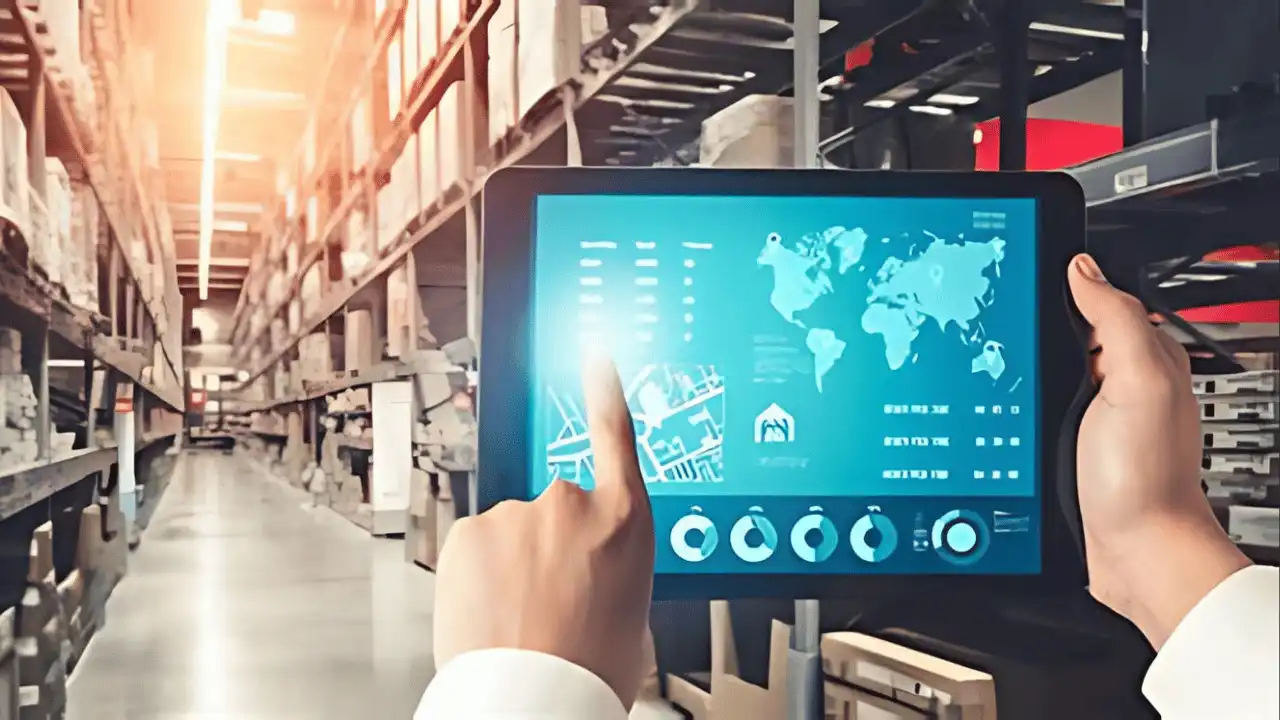
AI-Based Supply Chain Risk Prediction Platforms are becoming essential in 2026, as supply chain disruptions are no longer occasional events-they are constant business challenges.. From geopolitical tensions and climate issues to fluctuating raw material prices, small and medium enterprises (SMEs) face increasing uncertainty. This is where AI – Based Supply Chain Risk Prediction Platforms are transforming how businesses operate, plan, and grow.
Instead of reacting to problems after they occur, SMEs are now using predictive intelligence to anticipate risks before they escalate. These platforms combine artificial intelligence, real-time data, and advanced forecasting models to provide actionable insights that protect business continuity.
The Growing Supply Chain Challenges for SMEs
Unlike large corporations, SMEs often operate with limited inventory buffers and tighter budgets. A delay in raw material delivery or sudden logistics cost increase can directly affect production schedules and profitability.
Modern Predictive analytics supply chain startups are addressing this vulnerability by offering intelligent systems that analyze supplier reliability, weather patterns, shipping routes, market fluctuations, and geopolitical signals. By interpreting massive datasets, these platforms provide early warnings and practical solutions.
In 2026, agility is no longer optional. SMEs must be proactive rather than reactive to survive in competitive markets.
How AI Is Reshaping Risk Management
Traditional supply chain management relied on historical data and manual forecasting. However, static reports cannot predict sudden disruptions. This is why AI-Based Supply Chain Risk Prediction Platforms are becoming essential tools for SMEs.
These systems continuously monitor:
- Supplier performance metrics
- Global trade data
- Commodity price trends
- Transportation bottlenecks
- Weather and climate risks
Through machine learning algorithms, risks are identified weeks – sometimes months – in advance.
At the same time, AI supply chain risk management solutions allow business owners to simulate different scenarios. For example, if a supplier fails, the system suggests alternative vendors and recalculates delivery timelines automatically.
Cost Control Through Predictive Intelligence
One of the biggest pain points for SMEs is cost unpredictability. Raw material price spikes and freight rate increases can erode profit margins quickly.
Here, SME supply chain optimization platforms provide measurable benefits. These tools forecast price fluctuations and recommend bulk purchasing or alternative sourcing strategies at the right time.
Additionally, Predictive analytics supply chain startups help reduce overstocking and understocking problems. By accurately forecasting demand, SMEs can maintain optimal inventory levels – improving cash flow and reducing warehouse expenses.
In 2026, smart inventory planning has become a competitive advantage rather than a luxury.
Real-Time Visibility and Transparency
Visibility across the supply chain has always been a challenge for smaller enterprises. With fragmented supplier networks and multiple intermediaries, tracking shipments manually becomes inefficient.
This is where AI-Based Supply Chain Risk Prediction Platforms offer a powerful advantage. They provide dashboards with real-time updates, shipment tracking, and risk alerts in one centralized interface.
Moreover, AI supply chain risk management solutions integrate seamlessly with ERP systems and accounting tools, giving SMEs complete operational transparency.
When business leaders have access to clear data, they make faster and more confident decisions.
Strengthening Supplier Relationships
Supply chain risks often originate from unreliable suppliers or communication gaps. Advanced SME supply chain optimization platforms evaluate supplier performance using AI scoring models. These insights help businesses identify high-risk vendors before issues arise.
By leveraging insights from Predictive analytics supply chain startups, SMEs can also negotiate better contracts, diversify sourcing options, and establish contingency plans.
In 2026, supplier collaboration is no longer based solely on trust – it is backed by data-driven evaluation.
Competitive Advantage in 2026
The market is evolving rapidly. Customers expect faster deliveries, stable pricing, and uninterrupted availability. SMEs that adopt AI-Based Supply Chain Risk Prediction Platforms gain a strategic advantage by ensuring reliability even during disruptions.
Meanwhile, AI supply chain risk management solutions enable businesses to respond to global uncertainties with agility. From natural disasters to port congestion, risks are managed with predictive insights instead of guesswork.
At the same time, SME supply chain optimization platforms improve operational efficiency by reducing manual planning and repetitive tasks. Automation frees teams to focus on growth strategies rather than crisis management.
The Startup Opportunity
The increasing demand for intelligent logistics tools has created massive opportunities for innovation. Many Predictive analytics supply chain startups are developing cloud-based SaaS models tailored specifically for SMEs.
These startups focus on affordability, scalability, and easy integration – making advanced AI tools accessible even to small manufacturing units and trading companies.
Entrepreneurs entering this space in 2026 are not just building software; they are enabling resilience for thousands of growing businesses worldwide.
Future Outlook
As artificial intelligence continues to evolve, AI-Based Supply Chain Risk Prediction Platforms will become more autonomous and accurate. Predictive models will incorporate deeper learning algorithms and real-time satellite data for even better forecasting.
In parallel, AI supply chain risk management solutions will integrate sustainability metrics, helping SMEs monitor carbon footprints and ethical sourcing practices.
The next wave of SME supply chain optimization platforms will combine blockchain transparency, AI forecasting, and IoT-enabled monitoring into unified ecosystems.
Conclusion
Supply chain disruptions are no longer rare events – they are part of modern business reality. In 2026, SMEs cannot rely on traditional forecasting methods alone. By adopting AI-Based Supply Chain Risk Prediction Platforms, businesses gain predictive intelligence, operational visibility, and strategic control over uncertainties.
The rise of Predictive analytics supply chain startups, advanced AI supply chain risk management solutions, and innovative SME supply chain optimization platforms is reshaping how smaller enterprises operate.
For SMEs aiming to grow sustainably in an unpredictable global market, embracing AI-driven risk prediction is not just a technological upgrade – it is a survival strategy and a pathway to long-term success.
At My Design Minds, we believe AI-driven supply chain intelligence will redefine how SMEs compete in global markets. As technology continues to evolve, businesses that embrace predictive automation will gain stronger operational control and long-term resilience. Our perspective is clear – digital transformation is no longer optional for startups and growing enterprises. By combining smart manufacturing insights with AI-based risk prediction tools, SMEs can build agile, future-ready systems. For entrepreneurs looking to explore automation deeper, our recommended resource, Startup Guide to AI-Powered Automation in Business, provides practical strategies to integrate AI into everyday operations effectively.
Leave a Reply