
Introduction
Brand trust repair is crucial for businesses facing a regulatory setback. Whether it’s a fine, legal issues, or failure to meet industry standards, a regulatory blow can severely damage a company’s reputation and erode customer confidence. For businesses of all sizes, including startups, the path to recovery involves more than just resolving the immediate issue; it requires a thoughtful, strategic approach to rebuild trust and restore brand integrity. In this blog, we’ll dive into key strategies for brand trust repair, including improving compliance, engaging directly with customers, and communicating transparent changes. By focusing on these steps, businesses can regain their reputation and turn a setback into an opportunity for growth.
Main Keyword: Brand Trust Repair
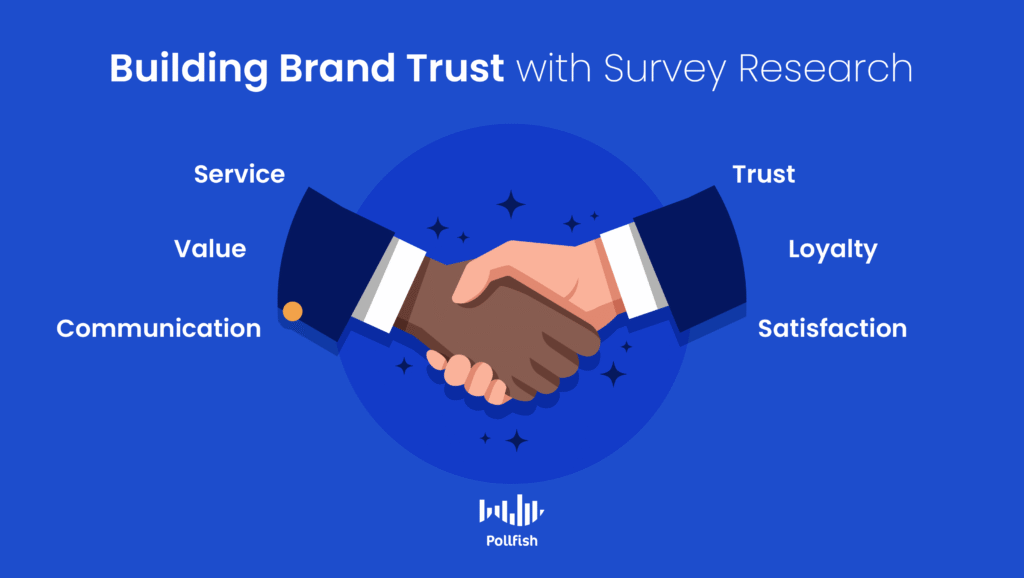
Brand trust repair is critical for businesses, particularly after a regulatory setback. Trust is the cornerstone of any successful business, and when it’s compromised, it can take a long time to restore. Customers who feel that they’ve been let down or misled will not quickly return, and they might share their negative experiences with others, further spreading distrust. Therefore, recovering from a regulatory blow demands a comprehensive approach to brand trust repair.
Essential steps that businesses need to repair their brand and rebuild trust are:
1. Acknowledge the mistake and be transparent

The first step to restoring brand trust is to acknowledge the issue and be transparent about what happened. Attempting to downplay or hide the problem will only make things worse. Be it a mistake in compliance, a misleading product claim, or negligence in upholding industry regulations, honesty is the best policy. Transparency not only shows that the company has taken responsibility, but it also shows that it is willing to correct the mistake.
This is especially so in the case of a startup, where the business is yet in its formative stages and so any sign of dishonesty or lack of accountability may deal irreparable blows to its credit rating; on the other hand, established companies may survive the shock, but their long-term sustainability could be seriously compromised without transparency.
2. Take Immediate Corrective Action

Once you have acknowledged the problem, the most important thing you can do is take corrective steps right away. This could involve revising business processes and updating internal compliance protocols, including the implementation of new systems to prevent such mistakes in the future. Basically, you want to reassure your audience that you are not only aware of the problem but are also working towards rectifying it.
Moreover, for startups, it’s about reassuring the customer that they are committed to learning and growing as a business and making amends whenever they go wrong. Highlight steps you will take for long-term improvement, like hiring compliance officers or enhancing internal training; this would instill confidence in your ability to manage any future regulatory challenges.
3. Engage with Your Customers Directly
Your customers are your biggest stakeholders, and they are the ones who feel the impact of your regulatory mistakes the most. Rebuilding brand trust after a regulatory blow requires direct engagement with your audience. Whether through social media, email, or direct communication, make an effort to explain the steps you’re taking to correct the problem and reassure them of your commitment to compliance and quality.
Moreover, the rationale behind providing a channel for feedback is to help you better understand your customers’ grievances. This is not only indicative that their opinion matters, but it can also bring into light certain aspects of your company which might need further improvement. For instance, a startup could utilize the incorporation of customer feedback loops in the development of products or within regulatory compliance as a means to avoid potential pitfalls in the future.
4. Rebuild Your Brand Story
After a regulatory issue, your brand’s narrative might need to be revised to ensure that it aligns with your new commitment to quality and compliance. Start by crafting a new story that highlights how the company has grown, learned from the past, and is now stronger than ever. This story should be shared across your website, social media platforms, and in marketing materials to reinforce the message that your company is moving forward with integrity.
In other words, rebuilding your brand story can offer a fresh perspective that resonates with your audience in the case of startups. Position your startup as an agile and responsible business that is all ears to listen to customers and is capable of quickly evolving based on the feedback provided. The tendency of customers is to resonate with those startups that show an authentic urge to correct mistakes and offer actual value.
5. Leverage Public Relations to Regain Trust
When it comes to your business being scrutinized by regulatory bodies, a properly executed PR campaign can be very effective in bringing back brand trust. PR efforts should focus on educating the public about the corrective measures your company has taken and the lessons learned from the situation. This could involve interviews with executives, press releases, or industry webinars that highlight your company’s commitment to improvement.
PR can also help limit damage in case of adverse publicity. A good PR team will not only communicate the steps you’re taking to rectify the problem but will also manage media coverage and public perception.
6. Show Long-Term Commitment to Compliance
Regulatory bodies often look for evidence of long-term commitment to compliance and accountability. It’s not enough to fix the immediate issue—you need to prove that your company has implemented sustainable changes that prevent similar issues from arising. This can involve external audits, regular compliance reports, and showing your customers that you are dedicated to upholding the highest standards.
Startups, especially, can benefit from positioning themselves as companies that value transparency, regulatory compliance, and ethical business practices. Doing so will demonstrate that they are committed to long-term success and reliability in the marketplace.
Conclusion
Recovering from a regulatory blow is a challenging but necessary process. Whether your business is a startup or an established brand, taking the necessary steps to repair brand trust after a regulatory issue is essential for long-term success. Acknowledging the issue, taking immediate action, engaging with customers, rebuilding your brand story, leveraging PR, and demonstrating long-term commitment to compliance are all crucial steps in this recovery process. By approaching brand trust repair with transparency and a genuine commitment to improvement, businesses can rebuild their reputation and emerge stronger than before.
If you’re looking to rebuild your brand trust after a regulatory setback and also plan to expand your business, understanding the foundational steps of launching a successful venture is crucial. Check out our detailed guide on how to start a small business in India: step by step for practical insights and expert advice.