
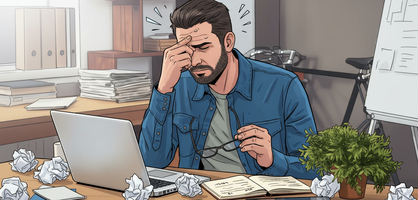
Entrepreneurship is often glorified: the midnight oil, the hustle, the bold risks, and the sweet taste of success. But beneath the hype lies a less visible reality—entrepreneur burnout. Many founders, driven by passion and ambition, neglect the toll that relentless pressure takes on mind and body. In this post, we’ll explore how burnout arises, why mental health in founders suffers, and what can be done to protect founder well-being.
What Is Entrepreneur Burnout?

Burnout is not merely exhaustion. It’s a state of prolonged, chronic emotional, mental, and physical exhaustion caused by excessive stress. For entrepreneurs, this could be working too many hours, not getting enough rest, and not being able to switch off even during free time. These behaviours, in the long run, result in decreased performance, more errors, being short-tempered, and sometimes severe health issues.
Why Startup Stress Hits Harder?
Startup culture nearly requires working too much. Founders are accountable not only for their own work, but for much of the entire business—product, finance, hiring, sales, operations. There is little room for mistake; delay or failure is personal. Couple this with uncertainty about money, customer needs, scaling challenges, competition, and hours worked, and burnout becomes a greater threat.
Many founders also feel isolated. Sharing struggles around mental health in founders is still stigmatized in many communities. When you’re expected to be the visionary, the motivator, and the problem-solver, admitting you’re overwhelmed can feel like weakness. But it’s exactly this silence that worsens the stress.
Warning Signs
Recognizing early warning signs is critical. Common red flags include:
- Persistent fatigue / insomnia
- Loss of passion or motivation
- Cynicism or increased irritability
- Difficulty concentrating
- Physical symptoms like headaches, digestive issues
- Neglecting personal life or relationships
If left unchecked, burnout can lead to depression or anxiety, and adversely affect both the entrepreneur and the company.
How Burnout Affects Mental Health in Founders?
The effect of burnout extends beyond fatigue. Extended stress can lead to mental illness, including anxiety and depressive periods. Founders can begin questioning themselves, feeling they are impostors, or that no matter what they do, it’s never good enough. Cognitive function declines. Making decisions becomes more difficult. And conflict with co-founders, staff members, or loved ones usually escalates.

Research indicates that entrepreneurs are more inclined than the general population to endorse mental illness. They will often repress vulnerabilities or put off obtaining help, which will complicate recovery. The overlap of heightened expectations and self-worth linked with business achievement means disappointment or setbacks strike more forcefully psychologically.
Building Founder Well-Being

Overcoming these challenges isn’t just healthy for individual well-being—it’s sound business. Here are methods to safeguard founder well-being and minimize startup stress:
Boundary setting. Establish work hours and maintain them. For example, ignore emails after a specific time or create “no-work” times daily or weekly.
Rest and recovery. Rest, mental time-outs, time off. Body rest benefits cognitive rest; distance can lead to fresh thinking.
Mindfulness exercises. Meditation, journaling, or simply short walk-breaks can calm the mind and stress levels.
Create a support system. Openly discuss with friends, mentors, or fellow founders. Exchanging experiences lessens the sense of loneliness.
Delegate and outsource. You do not have to do everything yourself. Hire assistance, maximize tools, outsource energies that deplete you.
Seek help early. If worry, mood swings, or pervasive negative thinking occur, discussing them with mental health specialists can avoid more entrenched problems.
Building Founder Well-Being
To create lasting change, the startup community requires a culture shift. Investors, accelerators, media—everyone valorizes grind, hustle, risk without apparent repercussions. But if founder wellness is taken seriously, if honest discussion of stress and mental health is the norm, we all gain: healthier founders create more robust, sustainable businesses.

Organizations can establish this culture by implementing mental health initiatives, peer support, mentorship, and time off. Entrepreneurs should be praised not only for working so hard, but also for sustainably leading.
Conclusion
Entrepreneurship is thrilling and fulfilling. But the downside—entrepreneur burnout—is real, widespread, and all too little-talked-about. For those of us who are attracted to creating, building, leading, it’s crucial to recognize the mental health dangers, heed warning signs, and develop habits that shield mental health in founders. Startup stress can’t be avoided; how we react makes burnout shatter us or school us in resilience.
If you’re struggling with stress and burnout, our guide on Time Management Tips for Busy Startup Founders shares practical strategies to help you regain control and protect your mental health