

Learning how to manage cash flow effectively is the key to keeping your startup financially stable and thriving in its crucial first year. Starting your first business is exhilarating, but the excitement can fast disappear if your finances get out of hand. Early on, mastering the art of managing cash flow is perhaps the most important skill you can learn.
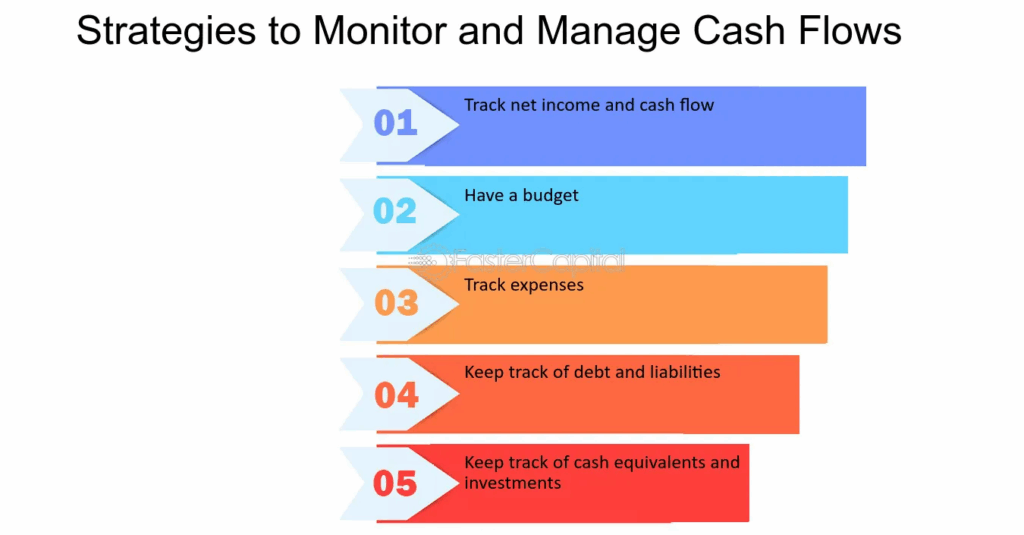
Without effective cash flow management, even a great idea can hit unnecessary roadblocks. This tutorial will keep you financially healthy and put a solid foundation under your startup finances for year one.
Understand Your Cash Flow Fundamentals
To be able to manage cash flow, you must first understand exactly what it is. Cash flow is simply the flow of money in and out of your business — your income from sales, investments, or financing, and your payments for rent, wages, equipment, and materials.
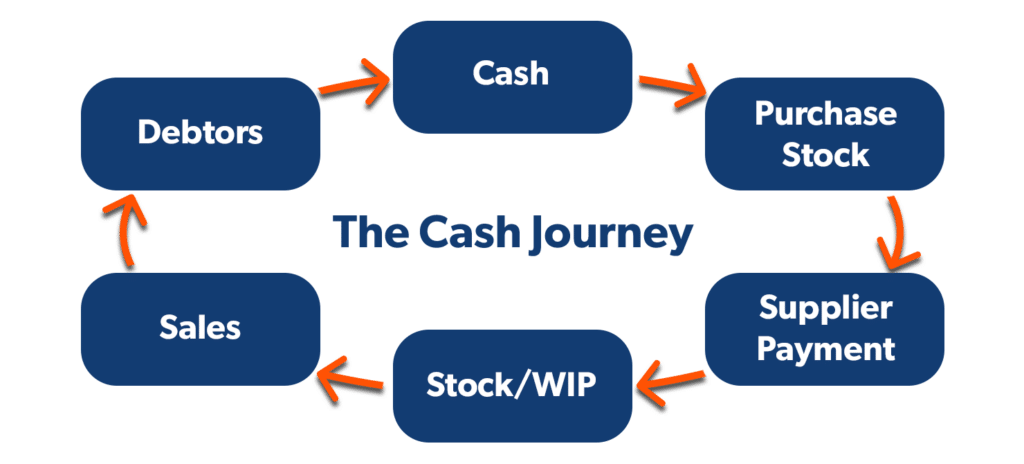
Sufficient cash flow management means that the money flowing in always covers or exceeds the money flowing out. For most startups, the initial 12 months prove to be the most difficult as revenue is likely to be erratic while costs will be constant.
Construct a Detailed Cash Flow Forecast
Perhaps the most effective tool for startup finances is a solid cash flow forecast. This is a month-by-month projection of your income and expenses. To have effective cash flow management, inventory all sources of anticipated income and every fixed and variable expense.

A forecast not only prepares you for lean months but also helps direct your spending choices. When you are proactive in managing cash flow, you can sidestep last-minute borrowing or crisis interventions.
Maintain Low Fixed Costs Early On
One of the golden rules of startup finance is to avoid unnecessary spending. Take a smaller office space on rent, recruit only necessary staff, and choose software subscriptions rather than expensive permanent licenses. By keeping your expenditure lean, you simplify cash flow management even when sales are volatile. Efficient cash flow management in the initial phase can make way for marketing and growth activities.
Speed Up Receivables and Slow Down Payables
One easy but efficient cash flow management trick is to get paid promptly while utilizing all the payment terms you can from your suppliers. Send out the bills as soon as possible, give a slight discount for prompt payment, and nudge slow-paying customers. On the purchasing side, negotiate longer payment terms whenever you can. These actions improve cash flow management by ensuring a consistent stream of inflowing funds while curbing immediate cash outflow — a critical balance for well-balanced startup finances.
Maintain a Cash Reserve
Even with the most diligent cash flow management, there can be no foresight into every issue. Market fluctuations, client holdups, or unanticipated repairs may destroy your startup capital. That is why it is important to save an emergency fund. Save enough money to cover three to six months of operational costs. This buffer will enable you to handle cash flow without anxiety when hit by unexpected expenses.
Monitor and Adjust Regularly
Your cash flow is dynamic, constantly changing with each transaction. Review your income and expenses on a regular basis to make sure your cash flow management strategy remains effective. Utilize accounting software or employ a part-time financial consultant to monitor trends and detect potential issues before they arise. To remain nimble in your management of startup finances is to make all the difference in maintaining growth.
Final Thoughts
During your first year of operation, management of cash flow can be the difference between survival and shutdown. By learning how to master cash flow management techniques such as forecasting, cost control, and reserve maintenance, you can safeguard your startup money and set your business up for long-term success. Keep in mind that money is the lifeblood of your startup — handle it with care, budget for the worst, and your business will have a much better chance of success after year one.
Once you’ve mastered how to manage cash flow in your first year, the next step is building and scaling your business. If you’re ready to take that leap, check out our guide: How to Start a Small Business in India: Step by Step.