
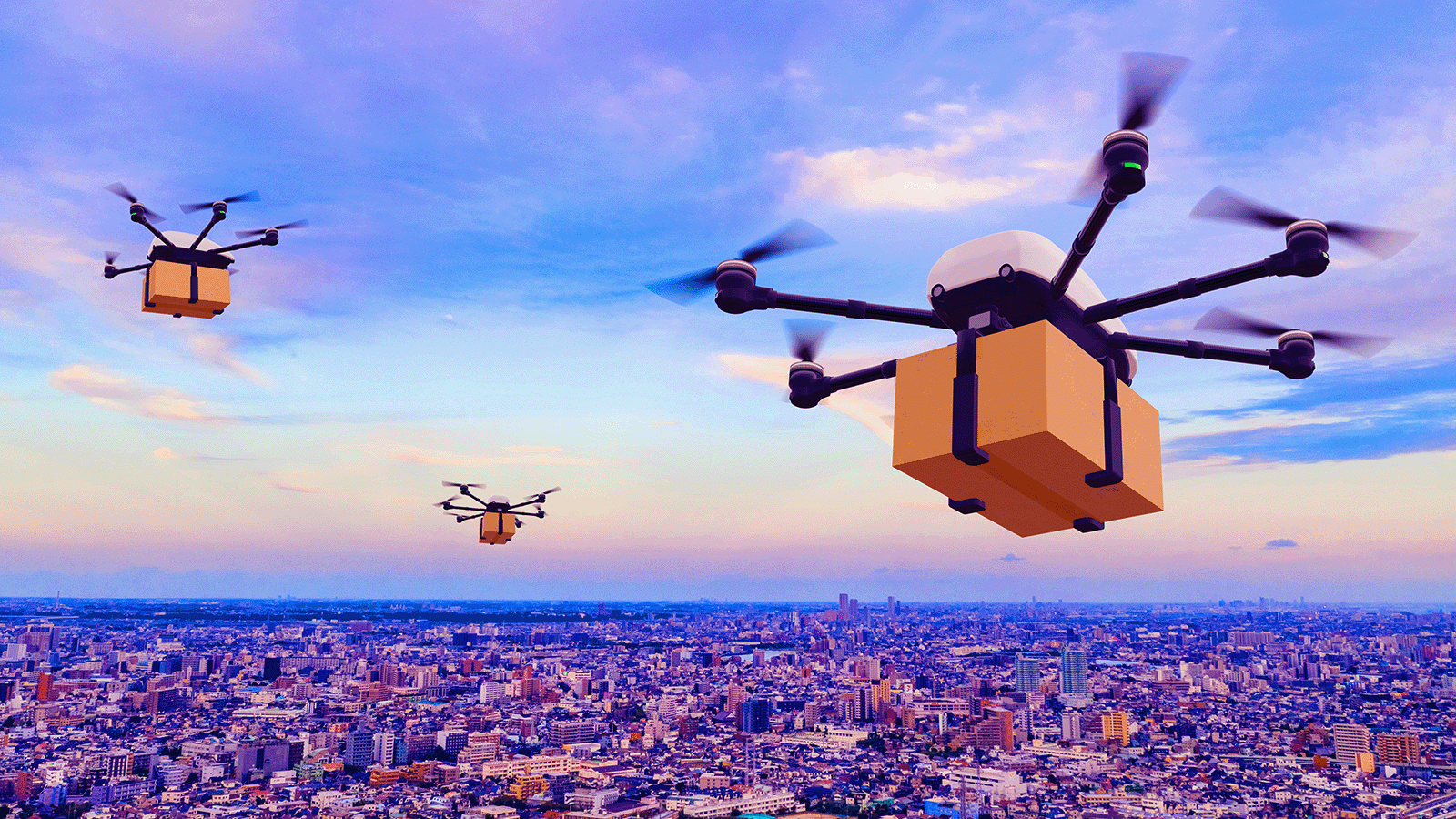
In regions affected by conflict, delivering humanitarian assistance is often one of the most difficult challenges faced by governments, NGOs, and relief organizations. War destroys infrastructure, disrupts supply chains, and creates dangerous environments that make traditional transportation unreliable or even impossible. Roads may be damaged, checkpoints may delay movement, and humanitarian workers may face severe risks when attempting to deliver aid.
In recent years, technology-driven startups have begun addressing these challenges with innovative solutions. One of the most promising developments is humanitarian drone delivery, which uses unmanned aerial vehicles to transport essential supplies quickly and safely into areas where traditional logistics cannot operate effectively.
This technology is not only transforming emergency response but also creating new opportunities for startups that focus on humanitarian innovation and advanced logistics systems.
The Problem: Logistics in Conflict Zones
Delivering aid during a conflict requires navigating a complex and unpredictable environment. Trucks carrying relief materials often face roadblocks, destroyed bridges, and security threats. In many cases, aid convoys must wait for military clearance or security escorts before entering certain regions.
These delays can have devastating consequences, especially when medical supplies or food are urgently needed. Hospitals operating in conflict zones frequently run out of blood, medicines, and surgical equipment. Refugee camps may experience shortages of essential supplies because aid trucks cannot reach them on time.
For decades, humanitarian organizations have struggled with these logistical challenges. However, innovative startups are now exploring new approaches that combine aerospace engineering, artificial intelligence, and logistics technology to overcome these barriers.
The Rise of Drone-Based Aid Startups
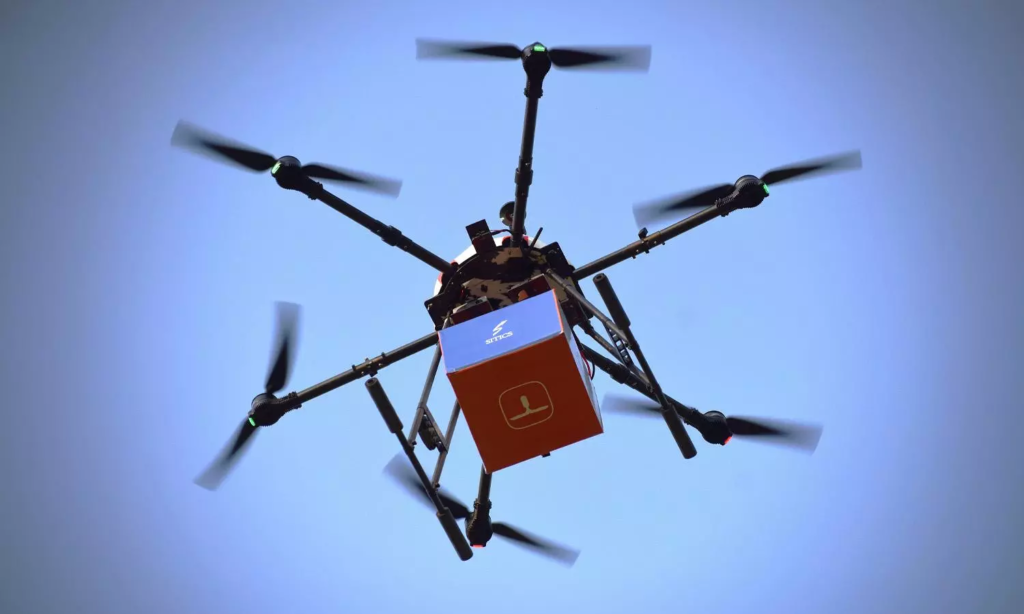
The emergence of drone aid startup ecosystems has introduced a new model for delivering relief materials. Instead of relying solely on ground transportation, startups are developing drone systems capable of transporting small but critical payloads across long distances.
These drones can fly over damaged roads, avoid dangerous areas, and reach remote communities within minutes. By operating autonomously or semi-autonomously, they reduce the need for human intervention in high-risk environments.
Startup companies are designing drones specifically for humanitarian missions. These systems are built to carry medical kits, vaccines, blood units, communication devices, and even emergency food supplies.
Because drones require minimal infrastructure, they can operate from temporary launch stations near relief centers or field hospitals. This flexibility allows humanitarian organizations to respond much faster during emergencies.
Faster Emergency Response
Speed is one of the biggest advantages of aerial delivery systems. When a medical emergency occurs in a remote or conflict-affected area, every minute matters.
Through medical supply drone delivery, hospitals and emergency clinics can receive life-saving supplies without waiting for ground transport. Drones can follow optimized flight routes and deliver packages directly to a designated location.
Some startups are even experimenting with automated drop systems that release packages precisely over targeted areas. This allows drones to deliver aid without landing, which can be useful in high-risk environments.
In medical emergencies such as severe trauma cases or disease outbreaks, this rapid response capability can significantly improve survival rates.
Reducing Risk for Humanitarian Workers
Humanitarian workers often operate under extremely dangerous conditions. Delivering supplies by road can expose drivers and aid workers to armed conflict, landmines, or ambushes.
By using war zone logistics drones, many of these risks can be minimized. Drones can transport supplies without placing human lives in danger. This approach allows organizations to continue delivering aid even when ground conditions are unsafe.
Additionally, drones equipped with cameras and sensors can help assess damage, monitor refugee movement, and identify areas that require immediate assistance.
These capabilities enable aid organizations to make more informed decisions and deploy resources more effectively.
A Growing Opportunity for Innovation
The growing adoption of drone technology in humanitarian missions is opening the door for a new generation of startups focused on impact-driven innovation.
These companies are not only developing drone hardware but also building software platforms for route optimization, fleet management, and real-time monitoring. Artificial intelligence is being used to analyze terrain data, weather conditions, and conflict zones to plan safer flight paths.
As global humanitarian challenges increase, demand for advanced logistics technologies is expected to grow rapidly. Startups that focus on aerial delivery solutions, automation, and smart logistics networks may play a crucial role in shaping the future of disaster relief and humanitarian support.
Investors are also beginning to recognize the potential of this sector, supporting companies that combine technological innovation with social impact.
The Future of Drone-Based Humanitarian Logistics
In the coming years, humanitarian drone delivery systems will likely become a standard tool for global relief operations. With rapid advancements in battery efficiency, payload capacity, and autonomous navigation, drones are becoming more capable of handling complex missions such as medical supply drone delivery in remote and high-risk regions.
As technology evolves, many experts believe that innovative companies and drone aid startup ecosystems will play a major role in developing smarter aerial logistics solutions. These solutions will support emergency teams by enabling faster response times and safer transportation of critical supplies.
Some experts envision networks of coordinated war zone logistics drones operating together to deliver aid across multiple locations simultaneously. These systems could form the backbone of a new global humanitarian logistics infrastructure.
By combining advanced robotics, AI-powered navigation, and scalable humanitarian drone delivery platforms, drone aid startup companies can transform the future of disaster response. Such innovations will make medical supply drone delivery faster, safer, and more efficient, especially in conflict areas where traditional supply chains often fail.
The Role of Design and Engineering in Building These Solutions
While the potential of drone technology is enormous, its success depends heavily on intelligent product design and engineering. Humanitarian drones must be reliable, lightweight, energy-efficient, and capable of operating in extreme environments.
This is where companies like My Design Minds can play a significant role. With expertise in industrial design, mechanical engineering, prototyping, and product development, such organizations help transform innovative concepts into practical technologies.
At My Design Minds, the focus is on developing products that are not only technologically advanced but also optimized for real-world manufacturing and scalability. By supporting startups with design engineering, prototyping, and production solutions, the company contributes to building next-generation technologies that can support humanitarian missions globally.
Through thoughtful engineering and innovation-driven design, companies like My Design Minds can help shape the future of humanitarian technology and enable impactful solutions that save lives.
If you’re inspired by technology-driven ventures like drone startups, learning how to start a small business in India can help you turn your idea into reality.
Leave a Reply