

The world of entrepreneurship, many founders dream of a grand startup exit—a juicy acquisition or IPO that rewards years of hard work. Yet the reality is often harsher: some companies reach exit events only to implode, or get acquired under distress, sometimes losing value instead of creating it. Studying startup exit failures can teach us more than examining only successes. Below are some notable failures and the lessons they carry.
Notable Startup Exit Failures
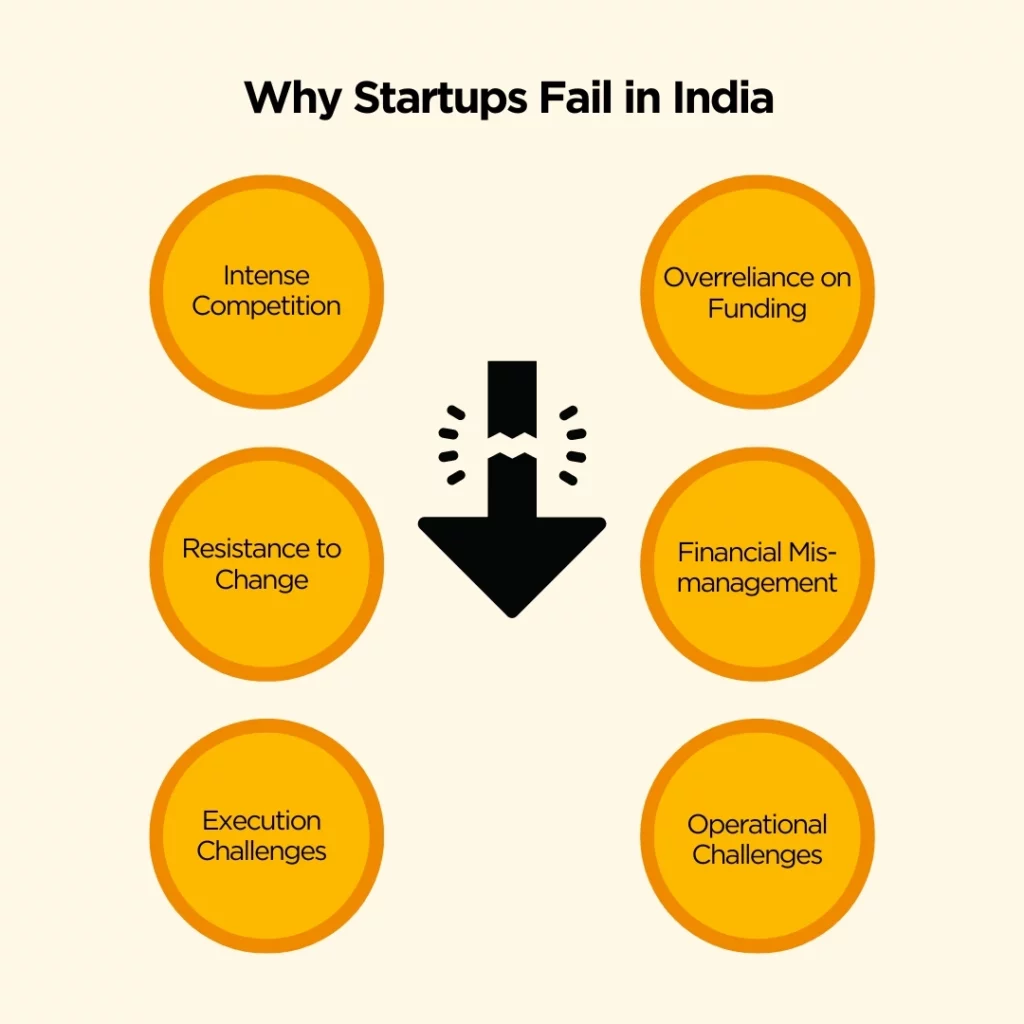
Most startup exit failures happen due to poor product-market fit or scaling too fast.

1. MapR Technologies
At one point worth more than $1 billion, MapR offered big data infrastructure software, hoping to challenge Cloudera and Hortonworks. However, it failed to make the transition when customers turned toward cloud-native systems, and its exit—sold at a fraction of previous valuations—served as a cautionary tale.
2. Wesabe
Wesabe was one of the first personal finance software programs that allowed users to track budgets and spending. But with the launch of Mint, which had improved UX and bank auto-syncs, Wesabe failed to compete. Its exit path was substandard, and ultimately, it was discontinued.
3.Webvan
Webvan is frequently mentioned among the classic failures of overexpansion. It constructed huge infrastructure, raised vast capital, and expanded to several cities too rapidly. Its exit was one of failure—bankruptcy and asset selling.
4. Homejoy
Homejoy provided home cleaning services through a platform model and raised roughly $40 million. Expansion was rapid but unit economics were poor. It had trouble with retention, high-acquisition costs, and regulatory burdens, and ultimately collapsed.
5.Sprig
Sprig, a meal-delivery startup with healthy meals, raised tens of millions of dollars but was swamped by complexity of logistics, competition (Uber Eats, etc.), and the cost of scaling. It closed shop even with a great brand and huge funding.
Lessons from Startup Exit Failures
A. Don’t fall in love with your valuation
Most of these startups raised enormous amounts, which put pressure on achieving outsized returns and growing too early. High valuation does not equal sustainable fundamentals.
B. Scale is secondary to product-market fit
Wesabe lost to Mint because its UX was manual and clunkier. A pretty backend does not count if users find your product hard to use. MapR’s technology became irrelevant too as the market changed.
C. Operational complexity can kill you
Webvan’s enormous logistical strain became untenable. Sprig similarly demonstrated that food logistics at scale are merciless. Operations come before vision when the model becomes operationally cumbersome.
D. External changes can derail your plans
Regulation, macro trends, or shifting consumer behavior can destroy a promising startup. Some of these businesses exited in distress not just because of internal weaknesses but because of external shocks or changing markets.
E. Culture, team, and leadership matter
Mismanagement, too-rapid hiring, failure of checks and balances—these germinal cracks expand. A weak core of leadership or culture of chaos may not be evident right away but is lethal when pressure is on.
F. Exit isn’t the endgame; value creation is
A desperation or “selling the leftovers”–based exit is an empty victory. The most fulfilling exits are those in which a company departs with something of value left behind for users, employees, and stakeholders.
How to Avoid Repeating the Mistakes

1. Validate early and frequently
Don’t wait to test product-market fit after infusing huge capital. Test lean pilots, collect actual user feedback, and iterate.
2. Build scalable infrastructure cautiously
Scale only when you have solid processes, unit economics, and a consistent team. Don’t overbuild for unproven demand.
3. Monitor external signals & adapt
Stay attuned to policy, consumer direction, competitive actions. Be prepared to shift instead of holding on to the initial blueprint.
4. Invest in team and governance
Recruit intentionally, define clear roles, create accountability structures, and bypass culture mismatches that implode during pressure.
5. Plan your exit path, not just the dream
Specify what a successful exit entails: how much you want to retain, what pieces you want to spin off, if you want acqui-hire, partial sale, or IPO. Don’t follow exits blindly.
In summary, while startup exit failures may look like graveyards of wasted potential, they are in reality treasure troves of hard knowledge. The stories of MapR, Webvan, Wesabe, Homejoy, and Sprig reinforce enduring lessons: value fundamentals over hype, pace your scale, and build resilience in people and systems. Entrepreneurs who internalize startup failure lessons can avoid common traps and steer toward healthier growth. Let the missteps of others sharpen your instincts: exits are not moments of destiny, but the result of disciplined execution—and they must rest on a strong foundation.
If you want to avoid repeating the same errors that lead to many startup exit failures, check out our blog on “Common Mistakes First Time Entrepreneurs Make“.