
In today’s unpredictable economy, startup resilience has become a key differentiator between businesses that thrive and those that fade away. When funding slows, markets fluctuate, and customer behavior shifts, resilient startups adapt faster, make smarter decisions, and secure long-term stability even in challenging times.
1. Strengthen Financial Foundations
The first step toward startup resilience is ensuring financial discipline. Instead of overextending on aggressive growth, focus on improving cash flow visibility. Conduct monthly expense audits, eliminate non-essential costs, and negotiate better payment terms with suppliers. Building an emergency reserve covering at least six months of operational expenses can provide stability during economic slowdowns.

You can also explore alternative revenue streams—such as offering design consulting, maintenance contracts, or subscription-based services—to create consistent income even when the core business is impacted.
2. Reinforce Business Continuity Planning
Business continuity is not just for large enterprises—it’s vital for startups too. Create a contingency plan that defines how your business will function if your supply chain breaks, key employees leave, or customers delay payments. Simulate crisis scenarios and assign responsibilities to your team members for quick decision-making.
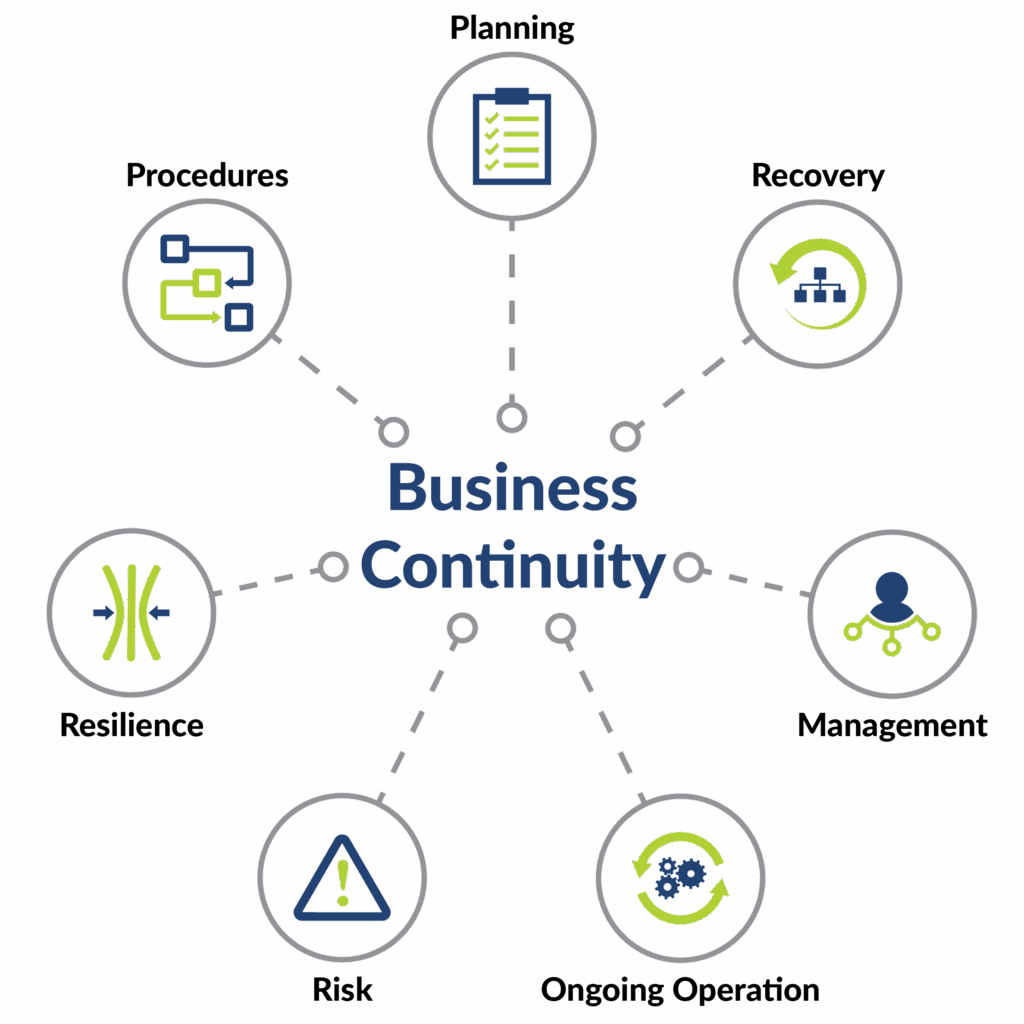
Use cloud-based tools for data storage and project management to ensure operations can continue remotely. The goal is to make your startup flexible enough to shift gears instantly without disrupting workflow or customer satisfaction.
3. Focus on Agile and Cross-Functional Teams
Agility is the heart of startup resilience. Build cross-functional teams where designers, engineers, and marketers collaborate closely. This approach allows faster problem-solving and creative innovation—key strengths during economic slowdowns.
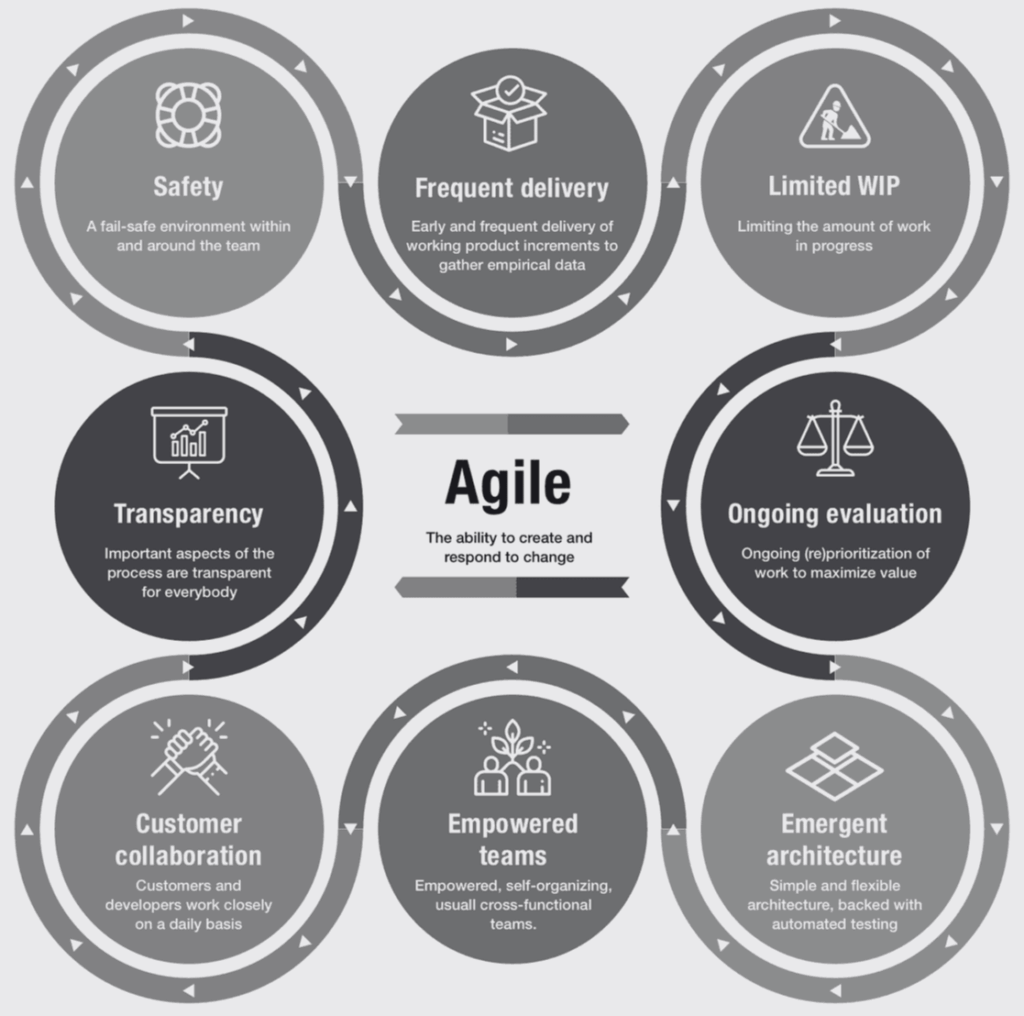
Encourage open communication, short feedback loops, and rapid prototyping to adapt your product or service based on market feedback. A lean and collaborative structure also helps reduce dependency on any single department, ensuring smoother business continuity even in tough conditions.
4. Strengthen Customer Relationships
Loyal customers can become your biggest asset in difficult times. Focus on maintaining transparency and empathy in all communications. Offer flexible pricing, value-added services, or loyalty rewards to retain existing clients.

Gather real-time feedback to understand shifting customer priorities and adjust your offerings accordingly. Startups that stay connected to their audience tend to recover faster after economic slowdowns, as they can realign their products with emerging needs faster than competitors.
5. Invest in Technology and Automation
Digital transformation plays a crucial role in crisis management for startups. Automating repetitive processes such as invoicing, customer support, and inventory management reduces overhead costs and minimizes human errors.

Additionally, using AI-based analytics tools helps you identify patterns and predict potential risks before they escalate. This proactive mindset not only supports business continuity but also positions your startup as a forward-thinking organization ready for market rebounds.
6. Prioritize Mental and Team Well-Being
A resilient startup culture is built on emotionally strong and motivated teams. During economic slowdowns, anxiety and uncertainty can lower productivity. Encourage transparent discussions about business challenges and appreciate small wins to boost morale.

Offer training programs or workshops that help employees enhance skills and stay motivated. Resilient leaders inspire confidence and foster loyalty—qualities that contribute directly to crisis management for startups.
7. Reevaluate and Innovate Your Business Model
Turbulence often exposes inefficiencies that were previously ignored. Use this period to revisit your business model. Can you digitize part of your service? Can you collaborate with other brands to expand reach? Innovation during slow periods can lead to breakthroughs that define your long-term success.
For example, many startups pivoted their strategies during the pandemic by introducing hybrid services, online delivery models, and tech-enabled customer experiences—all results of effective crisis management for startups.
8. Build a Supportive Network and Seek Mentorship
No founder should navigate uncertainty alone. Engage with mentors, industry networks, and accelerator programs to gain fresh perspectives. Collaborative partnerships can open new revenue channels or reduce operational risks, directly contributing to resilience.

Networking also keeps you updated on funding trends, market changes, and technological advancements that can safeguard your business continuity strategy.
Final Thoughts
Resilience isn’t built overnight—it’s a continuous process of learning, adapting, and optimizing. Startups that embrace financial prudence, agile teamwork, technological adoption, and empathetic leadership not only survive economic slowdowns but emerge stronger and more competitive.
In essence, resilience is about turning challenges into catalysts for innovation. By focusing on proactive planning and holistic crisis management for startups, founders can transform uncertainty into opportunity and secure lasting business continuity in any economic climate.
A major part of building resilience during economic downturns is ensuring financial stability. Discover practical strategies in our blog on How to Manage Cash Flow in the First Year of Your Startup