

When Tata Capital made its public debut, the market response was modest: its shares listed at a roughly 1–1.2% premium over the IPO price. The muted movement was instructive: in a crowded IPO season, pricing, narrative, and fundamentals matter more than hype. For startups charting a path toward IPO or scaling rounds, the Tata Capital share journey offers several lessons that go beyond finance — touching product-market fit, investor expectations, governance, and timing.
1. Pricing for credibility, not maximum buzz
Tata Capital did not push for an aggressive listing pop. It chose a listing strategy that prioritized long-term stability over a moonshot debut.

Startups frequently commit the reverse error: over-diluting or over-pricing to get headlines. But a modest premium sends a confidence and discipline signal. Essentially, it reads: “We like our fundamentals, not sentiment.”
From the perspective of startup equity lessons, this translates to choosing fundraising terms that balance growth capital with credibility. A dramatic spike at listing may win attention, but it can also invite skepticism about sustainability.
2. Market expectations are shaped early
Even before the public debut, Tata Capital’s IPO drew significant anchor investor support — including LIC and institutional bids.
That kind of early backing built confidence. Startups should similarly curate early signals — flagship clients, marquee investors, or pilot programs — to frame the narrative.
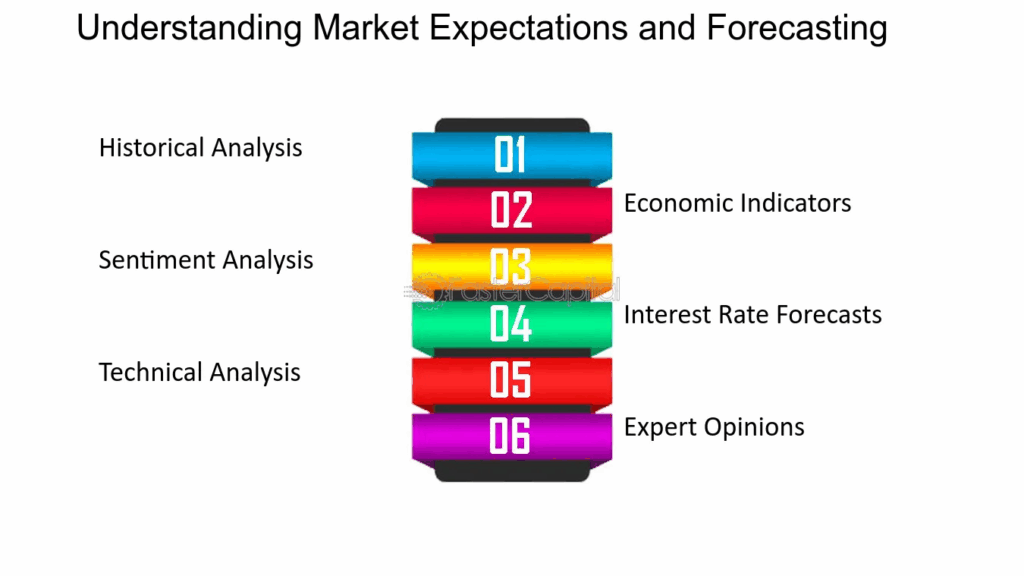
The share price lessons here: markets look ahead. What your early investors, advisory board, or pilot outcomes communicate will resonate through valuation rounds. If you’re constructing momentum leading up to a public or growth financing moment, allow early victories to serve as reference points.
3. Discipline in fundamentals trumps momentum
After listing, Tata Capital’s share did not go wild; instead, trading stayed grounded in fundamentals such as asset quality, profitability, and risk management.
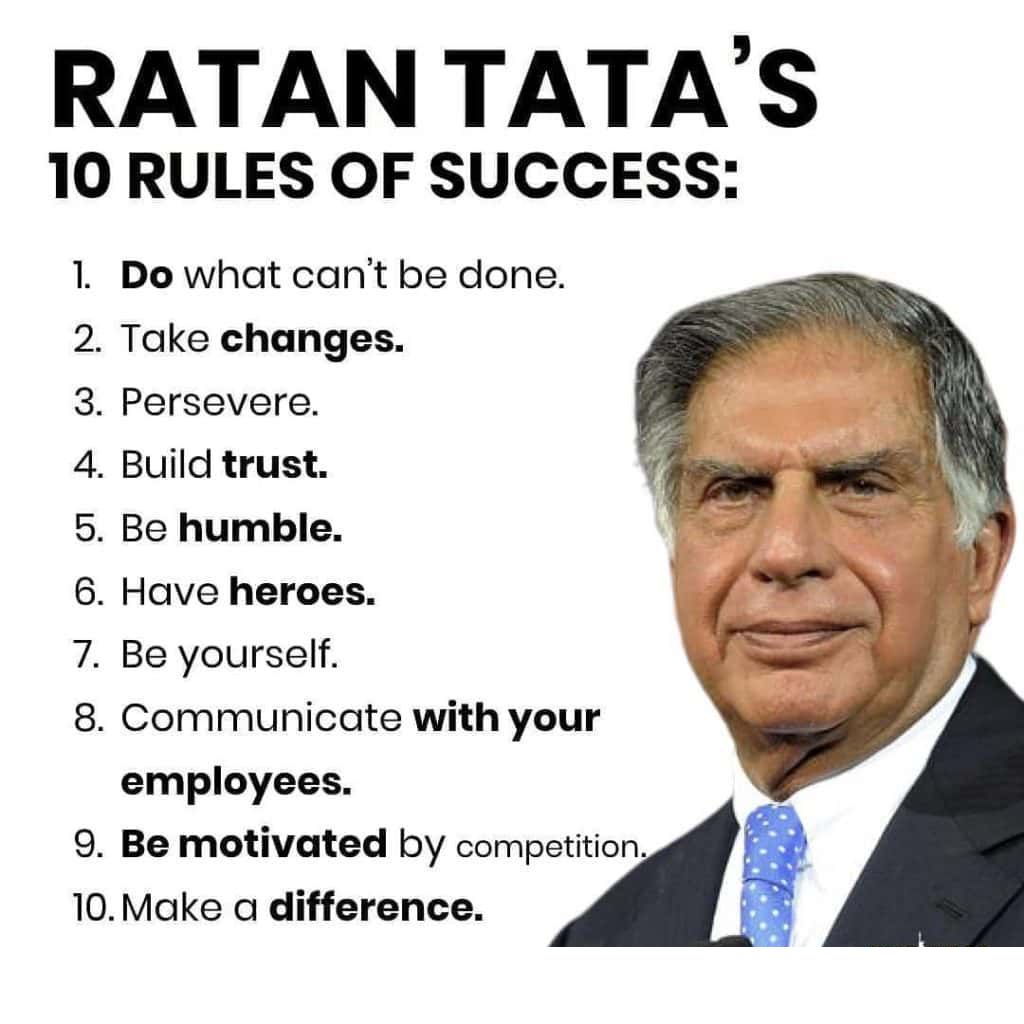
Over-leveraging or misplaced expectations would have undermined investor confidence.
For startups, this is a reminder: expansion without unit economics or governance discipline is a bet. The growth market and public markets reward those who execute on margin and risk management, not merely top-line growth. That is, growth needs to be based on guardrails.
4. Governance and parent legacy matter
Being part of the Tata Group, Tata Capital had a brand to live up to. Investors weighed in on governance, board independence, parent presence, and transparency.
For startups, particularly those with robust incubators or legacy supporters behind them, reputation finds its way into investor perception.

So establishing good governance early on — independent directors, transparent reporting, audit controls — becomes part of your value proposition. In your venture growth signals, the visibility and responsibility you demonstrate are as important as market traction.
5. Timing: balance readiness with market window
Tata Capital’s IPO came at a time when RBI regulations mandated listing for “upper-layer NBFCs,” making the timing somewhat forced.

Nevertheless, the management chose to time message, pricing, and investor outreach carefully. For startups, waiting for “perfect” market conditions is risky; but rushing into a listing or round when your metrics, team, or narrative are weak is worse.
The lesson: launch once you are able to narrate a strong story — not whenever outsider hype calls for it. The best window sometimes is the one you create.
6. Manage expectations post-listing / post-funding
After listing, Tata Capital’s share price lessons flat swings instead of extreme volatility.
Investors reset expectations and anchored to fundamentals. Post-deal for startups coming out of growth rounds is sensitive. You’ll be under scrutiny: revenue metrics, burn rates, milestones. How you talk and how you deliver during that time can set your credibility for future rounds or exit.
Conclusion
The Tata Capital share journey might lack the firecrackers of meteoric stock tales, but that is where its biggest lesson lies. It teaches us that valuation is as much about faith, governance, discipline, story, and timing as it is about demand. For entrepreneurs and startup founders, the way to a good exit or listing is not through hype, but through steady signals, early credibility, and financial prudence.
By absorbing these startup equity lessons, internalizing share price lessons, and aligning with the venture growth signals that investors truly respect, you position your startup not just for attention — but for enduring success.
If you’re a founder planning to scale or raise your next funding round, it’s crucial to understand how each stage of investment impacts valuation and control. Check out our detailed guide on Understanding Seed Funding, Series A, B, and C Rounds to learn how startups can prepare smarter for investors.