

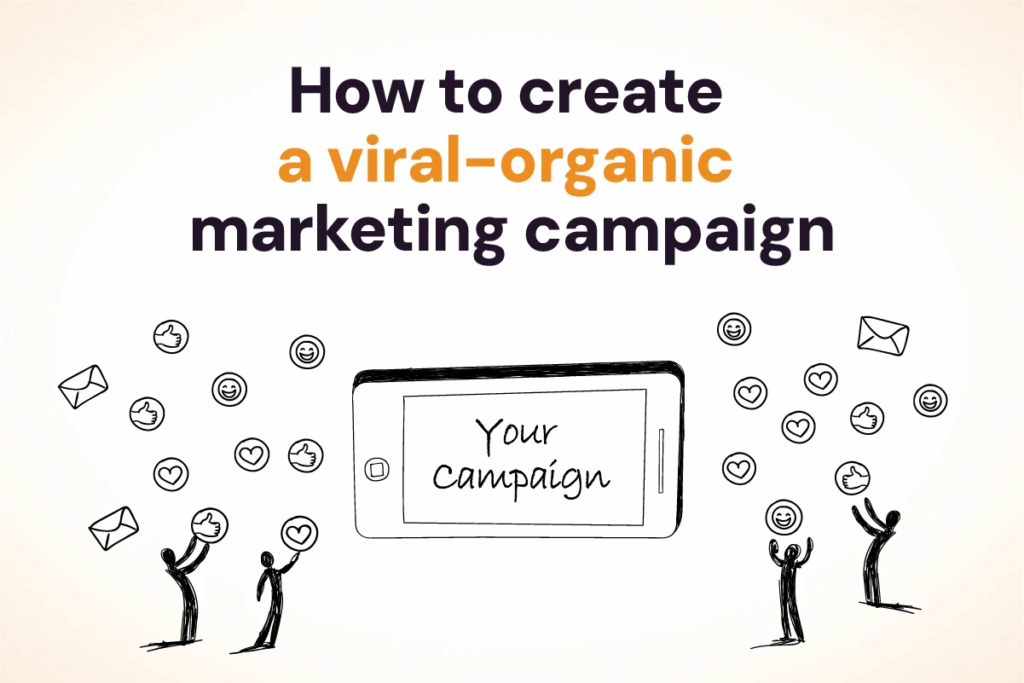
Every business dreams of going viral—seeing content spread like wildfire, attracting attention, and driving engagement—without breaking the bank. The best part: you can do that. With ingenuity, planning, and wise resource utilization, even small businesses and startups can create viral marketing campaigns that pack a punch much bigger than their size. Here’s how to create buzz without burning down your resources.
Understand What Makes Content Viral

Before you dive in, it’s useful to understand what makes things go viral. Some essential ingredients are:
Emotional resonance: People laugh, cry, get shocked, get inspired, or feel connected to certain content, which gets shared.
Relatable storytelling: Your audience must see themselves in your story. They’ll engage with and share it.
Surprise or novelty: The unexpected holds people’s attention. Something new or not commonly seen has a greater likelihood of being shared.
Simplicity: Clear, easy-to-read, and easy-to-understand messages are transmitted more quickly.
Remembering these will steer the balance of your planning.
Use Low Budget Marketing Ideas That Scale

You don’t need a big ad spend to get noticed. Here are budget-friendly tactics:
1. Leverage user-generated content (UGC).
Engage your customers or audience to produce and distribute content on your service or product. For instance, contests, hashtags, challenges. UGC is more genuine and tends to spread more organically.
2. Tap into micro-influencers.
Rather than large celebrity influencers (expensive!), collaborate with smaller creators who have high engagement among niche communities. Frequently their rates are lower, but their credibility with followers can get your content further.
3. Guerrilla marketing tactics.
These are innovative, low-budget, disruptive concepts done in the streets or online that catch people off guard. Chalk painting, QR-code stickering, flash mobs, surprise installations, or humorous street encounters can create word-of-mouth buzz. Break outside of standard ad venues.
4. Memes and timely content.
Riding the wave of memes, trends, or what’s now can make your message go viral. But timing is everything: get in early or put your own twist on a trend to cut through.
5. Social sharing hooks.
Make sharing easy. Include share buttons, make content mobile friendly, add captions or subtitles for videos. Add CTAs that encourage sharing (e.g. “Tag a friend who…”).
Planning Your Small Business Viral Strategy
Even with creative ideas, you’ll need structure. Here are steps to plan well:
Define your target audience deeply. Who are they, where do they congregate on social media, what are their pain points or pleasures? This enables content to be crafted that speaks and gets passed on.
Set clear goals. Is this more followers, brand awareness, leads, sales, app downloads? Establish quantifiable metrics so you know if the viral campaign worked.
Create shareable content formats. Video, user surveys, infographics, short videos, memes—content types that are simple to consume and simple to forward.
Use free or low-cost tools.Several apps allow you to create graphics, cut videos, set up posts, etc. Make use of Canva, CapCut, or free stock photo websites instead of taking the services of costly studios.
Optimize timing and platforms. Various platforms (Instagram Reels, TikTok, YouTube Shorts, etc.) have varying algorithms and user bases. Pick where your user is—and when they’re online—to have maximum impact.
How to Stretch Your Budget Smartly
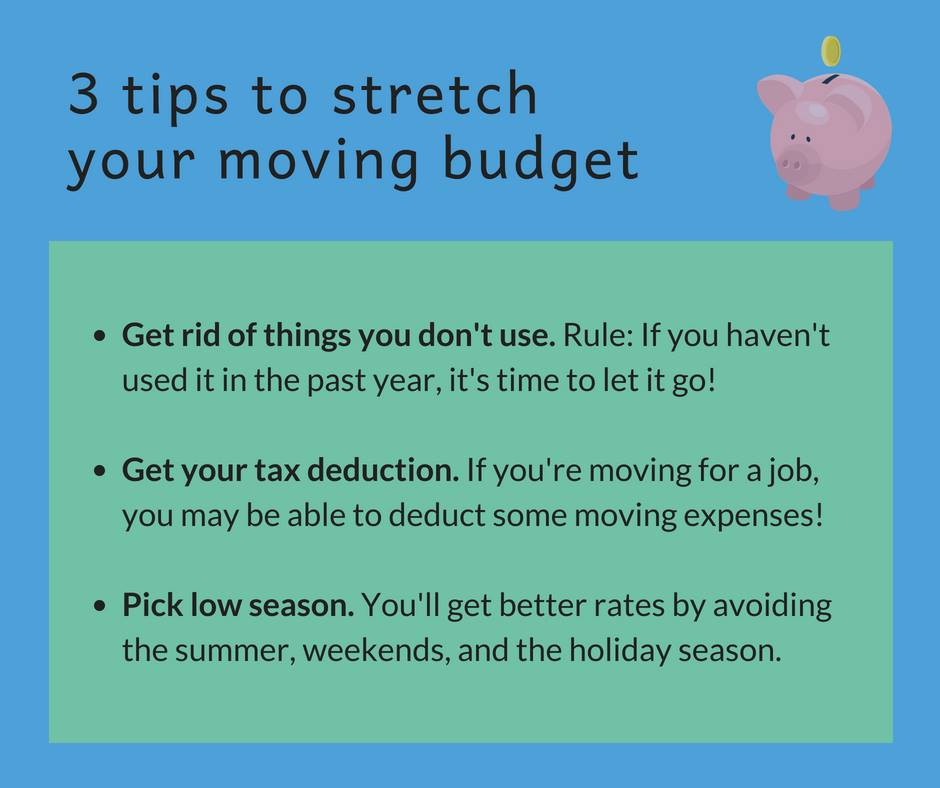
Repurpose content. A single piece of content—e.g., a video—can be cut up into shorter clips, quotes, images, carousels. Run the same idea on multiple platforms to get maximum mileage.
Test small experiments. Experiment with two or three content or messaging versions and tiny budgets. See which of them are shared more or liked more. Double down on those that perform.
Encourage community & word-of-mouth. Happy customers, fans, or followers can become your organic advocates. Incentivize them—recognition, shout-outs, small rewards—for helping spread the word.
Use partnerships. Collaborate with other small companies or organizations that are closely related to you for co-marketing. You can split the cost or borrow each other’s following.
Track everything. Regardless of there being no massive budget, you can utilize free analytics (social media analytics, Google Analytics) to get an idea of what is and isn’t working. Stop pursuing goals that aren’t.
Examples to Inspire
- A startup that asks users to share videos using a custom hashtag—picks the best ones and features them on its page.
- A local café that runs a “coffee art contest” letting customers vote online for their favourite design; winner gets a free drink and recognition.
- A brand that uses micro-influencers in smaller towns or niche communities—cheaper fees but higher authenticity and share rate.
Pitfalls to Avoid
- Attempting to go viral but without genuineness. When things are forced or simply promotional, individuals ignore them or have negative reactions.
- Excessive investment in paid advertising too early. Advertising may increase awareness but virality from organic word-of-mouth is usually where it comes from.
- Not listening to criticism. If something is not doing the job, change direction quickly. If others are not sharing, perhaps the tone or material is wrong.
Conclusion
You don’t need a massive budget to make waves. With creativity, clever tactics, and a focus on emotional connection and shareability, small businesses can launch viral marketing campaigns that amplify their message, build community, and grow reach. Use low budget marketing ideas, apply guerrilla campaign tactics, and design your small business viral strategy with care—and you’ll see how far your voice can travel.
If you’re exploring ways to promote your venture, don’t miss our detailed guide on How to Start a Small Business in India: Step by Step, which walks you through building the right foundation before launching viral marketing campaigns