
From Idea to Market Leader: Understanding Startup Funding Rounds
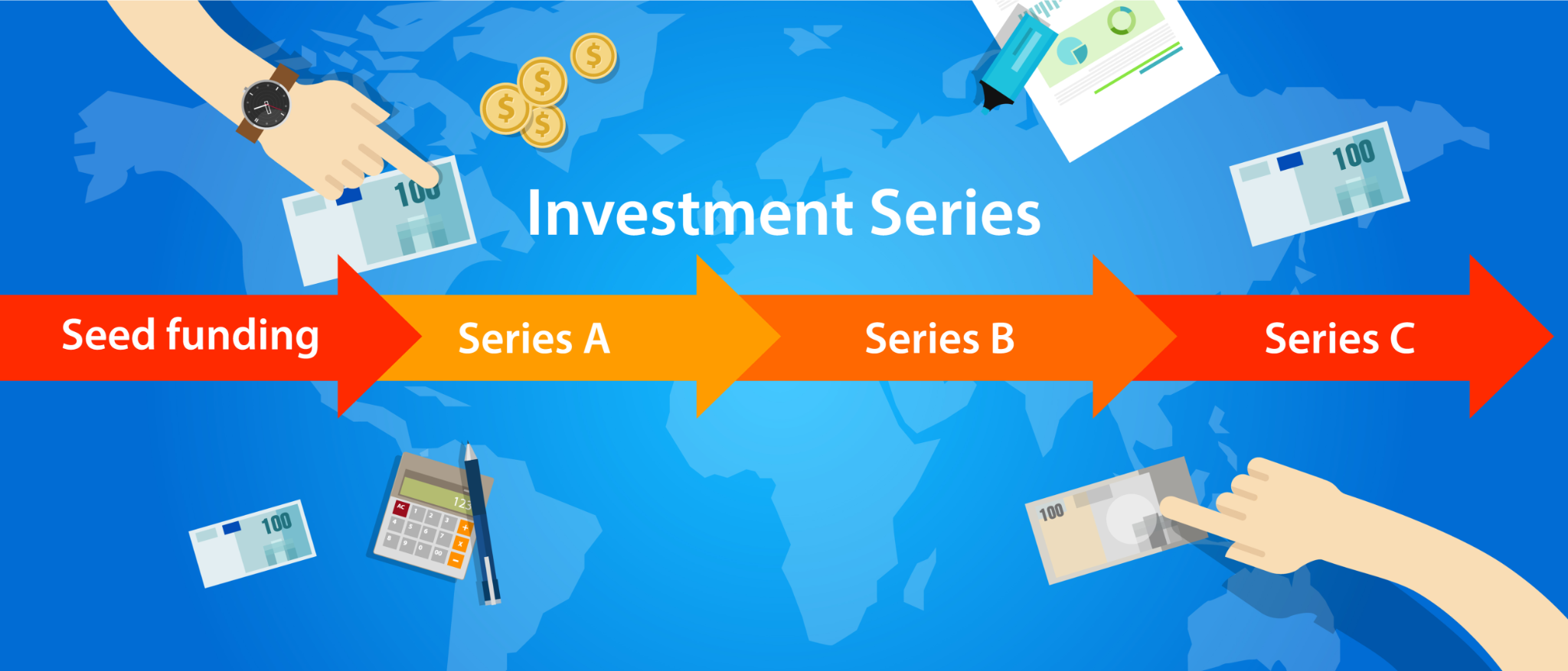
For the majority of entrepreneurs, bringing an idea to a successful business involves outside money. And that is where startup funding becomes critical. Investors supply the fuel of money to turn a concept into a market leader. The process typically follows a series of funding rounds — beginning with seed funding and moving through Series A, Series B, and Series C. Each phase has its own goals, types of investors, and expectations, with venture capital playing a central role in later stages.
1. Seed Funding – The Beginning
Seed funding is the initial stage of startup funding. Here, you may only have an idea, a prototype, or an MVP. The main objective is to test your idea, develop the initial version of your product, and receive early feedback from users.
Investors at this stage tend to be angel investors, accelerators, and occasionally friends or family. A few startups also employ crowdfunding to bring on early adopters. Common sizes range from $50,000 to $2 million.
What investors want:
- Strong founding team.
- Clear problem-solution fit.
- Early evidence of traction.
Since seed funding is risky, investors typically demand a large equity stake. This first stage sets the tone for all subsequent funding rounds.
2. Series A – Building and Proving
Once you’ve validated your concept, Series A is the second step in startup funding. You now have a functional product, paying customers, and proof that your business can scale.
What Series A funding does:
- Refine the product through market feedback.
- Build a repeatable sales process.
- Strengthen the core team.
This is usually when startups get serious venture capital companies involved for the first time. VCs will fund amounts between $2 million and $15 million, and they will seek evidence of product-market fit, defined revenue opportunity, and scalability.
At this point, you are no longer just proving a concept — you’re demonstrating that it can become a viable business. Success here paves the way for larger funding rounds in the future.
3. Series B – Scaling Quickly
Series B is the scaling stage of startup funding. Your company already has stable revenue, an existing loyal customer base, and strong operational systems. Now the concentration lies in growth.
Application of Series B capital:
- Entering new markets.
- Amplifying marketing expenditure.
- Creating infrastructure to support growth.

Larger growth-stage investors and venture capital firms generally take part here. Series B funding typically amounts to $10 million to $50 million. Investors look for quick revenue growth, a solid brand presence, and a clear lead over the competition.
Series B is where you make a solid startup into a market leader in the making. Successful execution here lays the groundwork for the next major funding rounds.
4. Series C – Market Leadership
Series C financing is for mature companies seeking to dominate the market. Your company is now well-established, profitable or close to profitability, and geared for international expansion.
Aims of Series C financing:
- Enter overseas markets.
- Buy out competitors.
- Develop complementary products.
- Prepare for an IPO or acquisition.
Late-stage venture capital, private equity firms, hedge funds, and even investment banks often participate here. Series C investments can range from $30 million to $200 million or more.
At this stage, investors want a proven track record, consistent top-line growth, and a clear exit strategy. It’s often the last of the funding rounds before going public.
Final Thoughts
From seed to Series C, each stage of startup funding plays a unique role in a company’s lifecycle. Seed finance legitimizes the concept, Series A demonstrates product-market fit, Series B scales operations, and Series C achieves market dominance.
Understanding how funding rounds progress — and the role of venture capital in each — can help founders raise the right amount, from the right investors, at the right time. For entrepreneurs, mastering this process is as crucial as building the product itself.
The right funding strategy can transform a simple idea into an industry leader, attracting not just capital but long-term marketplace success.
Also read: Creative Ways to Fund Your Startup Without Giving Away Equity