
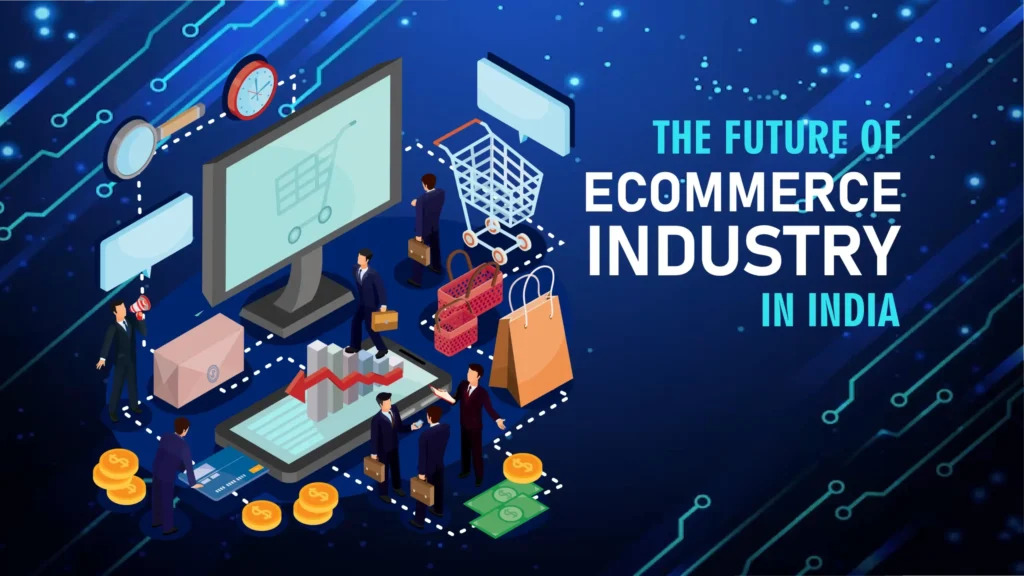
The environment of E-Commerce Startups is changing at a mind-boggling rate with technology advancements, changes in consumer trends, and rising global connectivity. As new entrepreneurs venture into this ground, the possibilities are enormous but challenging. Assessing the future of the fast-moving sector involves examining critical trends transforming growth and how startups can adapt to compete in competitive markets.
Rising Role of Technology
One of the biggest catalysts changing the e-commerce landscape is Digital Transformation. Startups that adopt new technologies such as artificial intelligence, machine learning, and blockchain are raising standards of efficiency and personalization. From smart recommendation systems, automated supply chains, and safe payment systems, technology is no longer a supporting system—it’s now integral to business strategy. For new businesses, early adoption of Digital Transformation develops a key competitive edge.

With 5G spreading across the world, enhanced connectivity will further boost online shopping experiences. Speed, data fusion, and real-time analysis will enable E-Commerce Startups to create more interactive user experiences and reach shoppers in a better way. The companies that bridge agility with technological vision will be the ones mapping the future.
Customer-Centric Growth
No conversation regarding e-commerce is complete without acknowledging the role of Customer Experience. With today’s digital economy, price and product assortment are no longer the sole drivers—smooth shopping experiences, personalized experiences, and post-sales support are just as critical. Startups that build trust and have robust consumer relationships have better chances of creating loyal communities for their brand.

By leveraging big-data analytics and customer insights, companies can predict needs and eliminate frictions in the buying process. For example, providing one-click checkouts, customizable delivery choices, or chat support builds smoother touchpoints that improve Customer Experience. Experience-based models will be the source of lasting success over the next few years.
Innovation and Business Agility
The future will honour those who perpetually adopt Innovation. Be it subscription-based models and social commerce or live shopping events, the opportunity to experiment is almost unfettered. Startups that continuously test new concepts, while also hearing customer behaviour, will have increased opportunities to excel. The synergies of augmented reality (AR) and virtual reality (VR) are a prime example, enabling customers to see products in real-life settings, thus improving confidence and diminishing returns.
In addition, sustainability-driven Innovation becomes more significant. Customers are increasingly environmentally aware, and companies that turn green through eco-friendly packaging or carbon-neutral supply chains can draw awareness and win loyalty. For E-Commerce Startups, this not only generates goodwill but also guarantees long-term differentiation in saturated markets.
Global Market Expansion

The capacity to scale beyond borders is another distinguishing characteristic of tomorrow’s champions. Digital-first business models enable businesses to reach buyers all over the globe without being held back by geography. Due to Digital Transformation, global payment mechanisms, translation software, and localized advertising have facilitated international growth more than ever before.
But cross-border selling also requires efficiency in logistics, compliance, and cultural sensitivity. Companies need to customize offerings to varied consumer tastes, while still delivering superior Customer Experience. Companies that invest in responsive supply chains and intelligent distribution networks will have a robust global presence.
The Road Ahead
Looking forward, the trajectory of E-Commerce Startups is clear: success will hinge on the thoughtful adoption of technology, a relentless focus on the buyer journey, and the ability to generate lasting value through Innovation. The lines between physical and digital commerce will continue to blur, creating integrated ecosystems where speed, personalization, and trust define success.
Entrepreneurs venturing into this space need to be nimble, constantly experimenting with strategies and refining offerings. With how the behavior of consumers is changing at a furious pace and technology unfolding newer avenues, the future rests with startups blending creativity with responsiveness. The coming decade will not only witness the emergence of behemoths but also encourage a movement of audacious, dynamic firms that reshape online commerce.
If you’re inspired by the opportunities in the future of online trade and are ready to begin your entrepreneurial journey, don’t miss our detailed guide on How to Start a Small Business in India: Step by Step to turn your idea into a thriving venture.