

In the competitive startup landscape of today, neither product nor money is sufficient to ensure success. Founders also need to establish themselves as trusted voices within their industries. That is where personal brand comes in as a game-changer. It is the deliberate means by which founders convey who they are, what they believe in, and why they should be trusted.
When crafted intentionally, our own brand doesn’t just attract attention—it builds credibility, opens doors to partnerships, and accelerates business growth. In this article, we’ll explore why it matters and how founders can benefit from investing in their reputation.
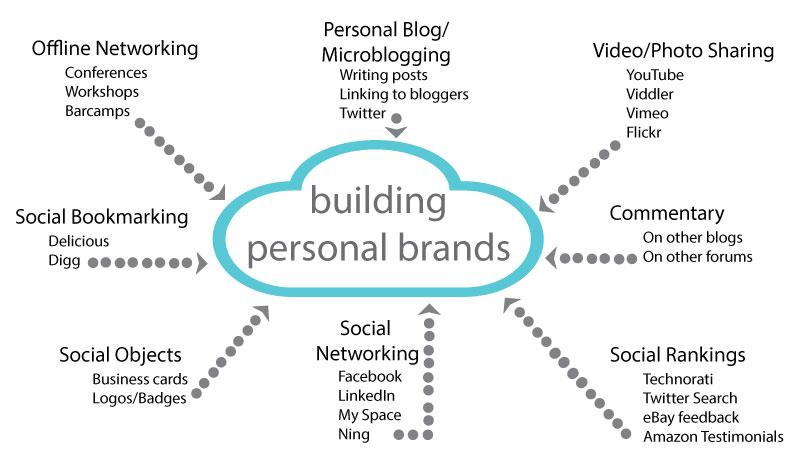
1. Trust and Credibility in the Market
Today, customers do not merely purchase products; they purchase the individuals behind them. If a founder is constantly highlighting their expertise, then their personal brand serves as a stamp of trust. Investors, staff, and customers are all more assured when they view a human face that symbolizes dependability.
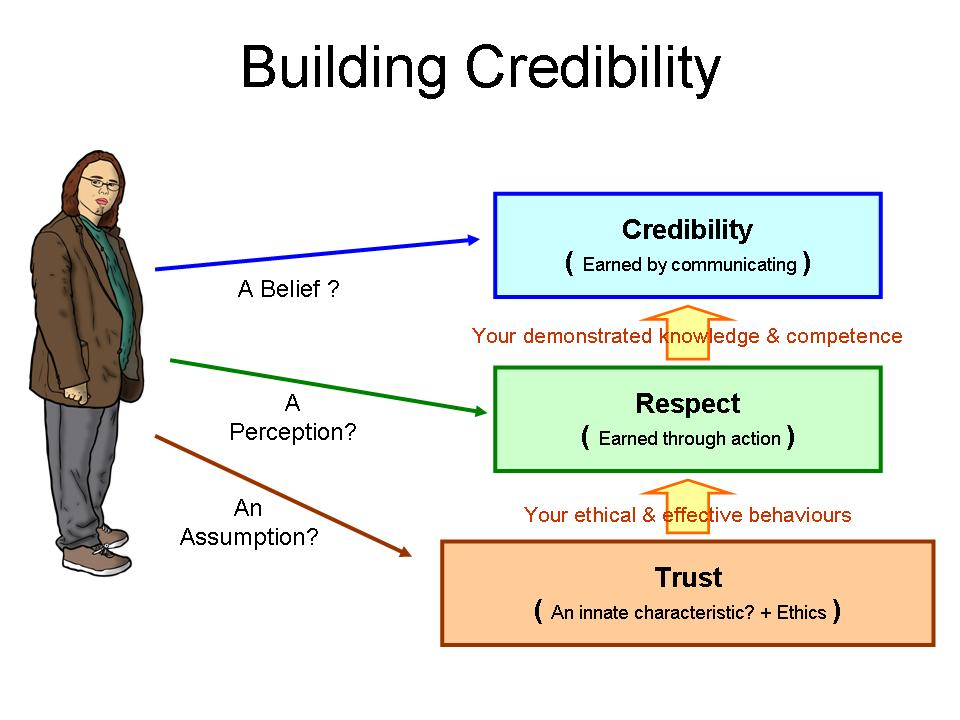
Consider the likes of Elon Musk or Richard Branson. Their businesses thrive in part due to their own brand presence. For early-stage ventures in particular, this credibility can be the difference between getting funding and becoming irrelevant.
2. Thought Leadership Through Content Creation
One of the most effective means of building visibility is through thought leadership. Founders who write insights through blogs, LinkedIn articles, or podcasts become industry voices in a snap. This doesn’t only bring attention—it also makes them experts with a hand in shaping market trends.

A steady thought leadership plan makes individuals perceive the founder as being beyond a business owner. They are viewed as knowledge centers and are able to drive conversations as well as establish new standards. This enhances the company and the individual’s stature in the long run.
3. Networking and Relationship Building

In business, what you know may be equal to who you know. A powerful own brand simplifies networking because it comes before introductions. Peers, mentors, and investors tend to appreciate a founder’s story and vision when they recognize them, and conversations become natural.
Social channels, events, and partnerships compound this impact. Thought leaders who are also storytellers tend to draw like-minded people into their orbit, creating opportunities that would not otherwise be there. Networking is less about pitching and more about building bridges.
4. Fostering Startup Growth
A strong brand has a direct impact on business performance. When founders share real stories, it makes their startups human. Employees are inspired, customers feel a connection, and investors believe in long-term upside.

In addition, linking the founder’s reputation with the firm’s message enhances startup development profoundly. One viral narrative or keynote can bring partnerships, talent, and capital. Investing in the founders is an indirect investment in the viability of the businesses.
5. Distinguishing the Crowded Ecosystem
The startup environment is crowded, and the competition is tight. Without distinction, even terrific ideas pass undetected. Creating visibility through founder branding enables entrepreneurs to be heard.
Founder branding does not equate to self-aggrandizement—it’s about simplicity. It conveys value, vision, and leadership approach in a manner that resonates above the noise. Consistently applied, founder branding guarantees that a startup will be recalled long after a pitch is over or an event has finished.
6. Future-Proofing Careers
A successful startup or not, a solid personal brand continues to open doors. Visible experts tend to attract new opportunities, such as speaking engagements, funding for new businesses, or new jobs. The reputation becomes transferable across industries and geography.
Through reliance on thought leadership, startup growth strategies, and genuine founder branding, entrepreneurs future-proof their long-term careers. Essentially, their brand is an asset that appreciates in value over time.
For personal, founder branding is no longer a choice—it’s a necessity. It establishes credibility, fuels startup success, facilitates thought leadership, and enhances founder branding. The work put into creating a genuine presence is rewarded in visibility, trust, and opportunity.
The market can shift, technologies can change, but what never changes is: people trust people. And when founders invest in their personal brand, they make sure their voices are at the forefront of defining the future of their industries.