
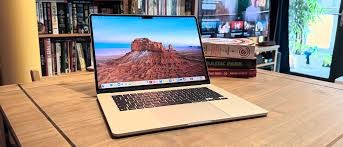
The startup ecosystem closely follows Apple’s hardware roadmap, especially when it comes to lightweight, high-performance devices like the MacBook Air. Recently, discussions around “MacBook Air M3 discontinued” have started circulating across tech forums and startup communities, raising questions about Apple’s long-term strategy and what it means for founders, developers, and growing businesses.
While Apple has not always publicly explained every product lifecycle decision, even speculation around discontinuation offers valuable insights into how the company evolves its lineup—and how startups should plan their technology investments accordingly.
Why the MacBook Air Matters to Startups
For startups, the MacBook Air has long been a preferred device. Its combination of portability, performance, and battery life makes it ideal for:
- Founders working remotely or traveling frequently
- Developers building web, mobile, and SaaS products
- Designers using creative tools on the go
- Early-stage teams managing costs without compromising quality
Apple’s silicon transition—from Intel to M1, M2, and later M-series chips—strengthened the MacBook Air’s position in the startup world. Each iteration improved speed, energy efficiency, and multitasking capability.
Understanding the “MacBook Air M3 discontinued” Discussion
The conversation around the MacBook Air M3 being discontinued does not necessarily mean the product has failed. In Apple’s ecosystem, discontinuation often reflects strategic streamlining rather than poor performance. Apple regularly adjusts its lineup to:
- Avoid internal competition between similar models
- Simplify purchasing decisions for customers
- Push users toward newer or more profitable devices
- Align hardware with future software advancements
For startups, this highlights an important lesson: technology evolves rapidly, and product lifecycles are getting shorter.
Apple’s Broader Strategy Behind Product Transitions
Apple typically plans product transitions years in advance. If a specific MacBook Air variant is phased out, it may indicate:
- Preparation for a redesigned model
- Focus on newer chip architectures
- Alignment with AI-driven workloads
- Optimization of manufacturing and supply chains
For startup founders, this mirrors their own product journey—continuous iteration, market adaptation, and strategic pivots are essential for long-term success.
Impact on Startup Teams and Buyers
If Apple discontinues or limits availability of certain MacBook Air configurations, startups may experience short-term concerns, such as:
- Difficulty sourcing identical devices for growing teams
- Questions about long-term software support
- Confusion over which model offers the best value
However, Apple has a strong track record of supporting discontinued hardware with software updates for many years. This means startups using existing MacBook Air models can continue working without disruption.
Lessons for Startups: Product Lifecycle Planning
The “MacBook Air M3 Discontinued” discussion offers several valuable takeaways for startup companies:
1. Plan for Change
Just as Apple evolves its products, startups must design systems and workflows that can adapt to new tools and platforms.
2. Avoid Over-Dependence
Relying too heavily on a single product, tool, or vendor can create risk. Diversification—whether in hardware, software, or suppliers—adds resilience.
3. Focus on Value, Not Hype
Newer technology isn’t always necessary. Many startups succeed using stable, proven tools rather than chasing every upgrade.
4. Think Long-Term
Apple’s decisions emphasize long-term ecosystem strength over short-term popularity—an approach startups can learn from.
What Startups Should Do Next
Instead of reacting emotionally to product rumors or changes, startups should:
- Evaluate actual performance needs
- Compare available MacBook Air and Pro options
- Consider future scalability and team expansion
- Balance budget constraints with productivity
Apple’s ecosystem remains one of the most startup-friendly environments, offering reliable hardware, strong developer tools, and long-term support.
Final Thoughts
Whether the MacBook Air M3 Discontinued now or phased out later, the broader message is clear: innovation never stops. Apple continues to refine its product lineup to meet future demands, just as startups must refine their offerings to stay competitive.
Apple product strategy for startups highlights how devices like the MacBook Air for startups balance performance, cost, and mobility. Understanding Apple hardware roadmap 2025 helps founders make smarter technology investments, plan scalable teams, and align tools with long-term growth without chasing every new hardware release.
For founders inspired by Apple’s long-term thinking, understanding how to start a small business in India step by step is just as important as choosing the right technology and tools to support sustainable growth.
Just like Apple plans for the future, My Design Minds empowers startups to design products, systems, and strategies built to scale and adapt.