
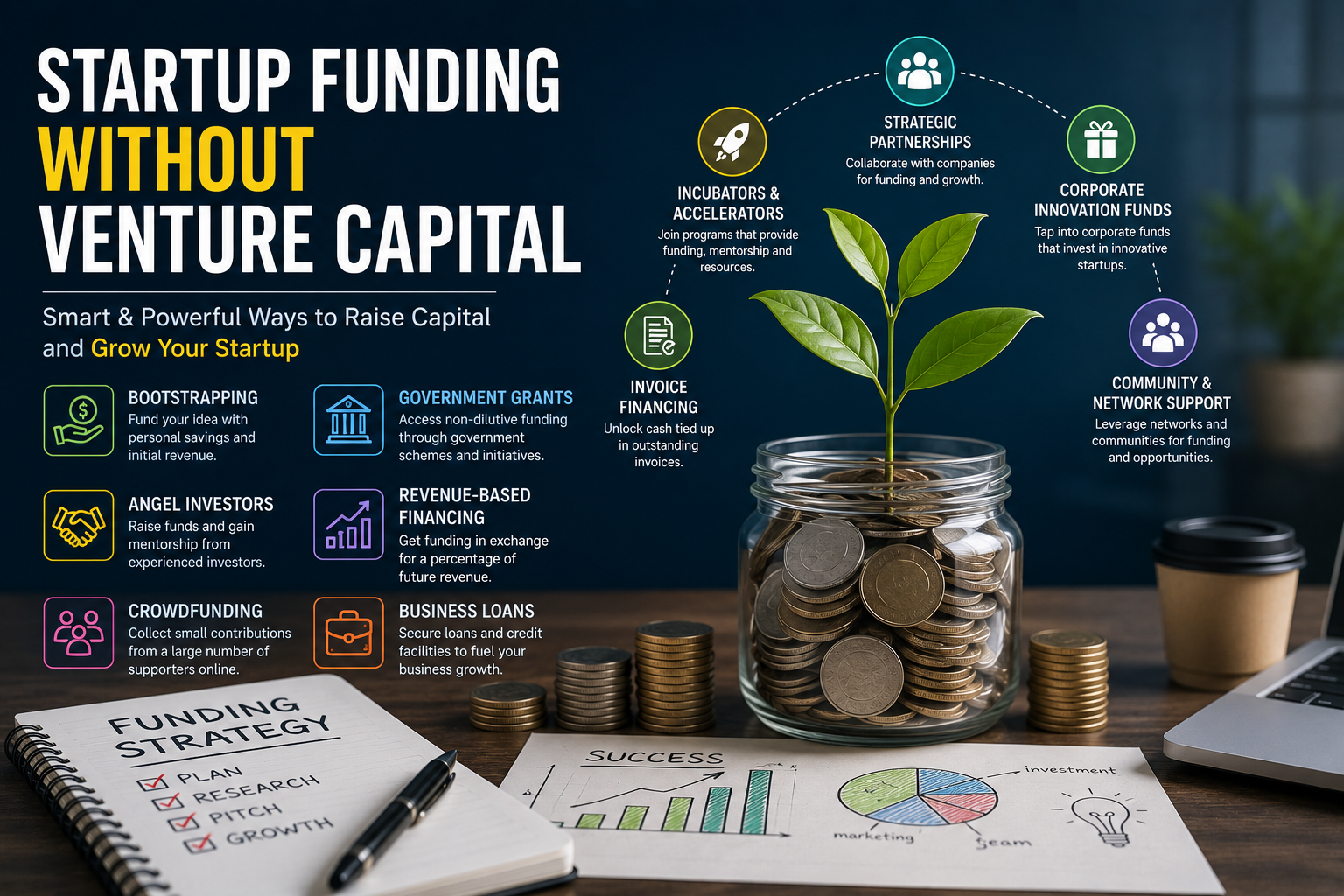
Startup Funding Without Venture Capital is becoming increasingly popular among modern entrepreneurs who want to grow their businesses while maintaining ownership and control, making alternative funding methods a smart choice for sustainable startup success.
Securing capital is one of the biggest challenges for entrepreneurs. While venture capital often receives the most attention, it is not the only path to growth. Many founders today are exploring alternative ways to finance their businesses without giving up significant ownership or control. Understanding various Startup Funding Options can help businesses access the resources they need while maintaining flexibility and long-term sustainability.
Whether you’re launching a technology startup, manufacturing venture, or product development company, selecting the right funding strategy can significantly impact your success.
Why Look Beyond Startup Funding Without Venture Capital?
Venture capital can provide substantial funding, but it often comes with expectations for rapid growth and equity dilution. Many startups prefer funding methods that allow them to retain ownership and make independent business decisions.
Exploring diverse funding channels also reduces financial risk and creates multiple opportunities to secure capital at different stages of growth.
1. Bootstrapping
Bootstrapping is one of the most common funding methods for early-stage startups. Founders use personal savings, business revenue, or support from family and friends to finance operations.

Benefits include:
Full ownership retention
Complete decision-making control
Greater financial discipline
Many successful startups began with bootstrapping before attracting external investors. It remains one of the most reliable Startup Funding Options for entrepreneurs with manageable startup costs.
2. Angel Investors
Angel investors are wealthy individuals who provide capital in exchange for equity or convertible debt. Unlike venture capital firms, angel investors often invest at earlier stages and may offer mentorship alongside funding.
Advantages include:
Faster investment decisions
Industry expertise
Valuable business networks
Angel funding can help startups bridge the gap between bootstrapping and larger investment rounds.
3. Government Grants and Startup Schemes
Governments worldwide are encouraging entrepreneurship through grants, subsidies, and startup support programs. In India, initiatives such as Startup India provide financial assistance, mentorship, and tax benefits.
These programs often qualify as Non-Dilutive Funding for Startups, meaning founders receive financial support without giving up company ownership.
Government grants are especially valuable for startups working in manufacturing, technology, healthcare, sustainability, and innovation-driven sectors.
4. Crowdfunding Platforms
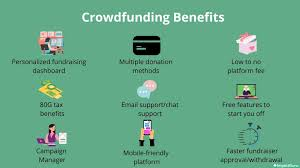
Crowdfunding allows startups to raise money from a large number of supporters online. Platforms such as Kickstarter and Indiegogo enable businesses to validate product demand while generating capital.
Benefits include:
Market validation
Brand awareness
Early customer acquisition
Crowdfunding has become an increasingly popular form of Alternative Startup Financing for consumer products and innovative technology solutions.
5. Revenue-Based Financing
Revenue-based financing provides capital in exchange for a percentage of future revenue rather than company equity. Payments adjust based on business performance, making it a flexible funding solution.
Key advantages:
No equity dilution
Flexible repayment structure
Faster access to funds
This funding model works particularly well for startups with recurring revenue streams and predictable cash flow.
6. Bank Loans and Business Credit
Traditional bank loans remain one of the most established Business Funding Sources available to startups. While qualification requirements can be strict, businesses with strong financial plans and collateral may secure attractive financing.
Options include:
Small business loans
Working capital loans
Equipment financing
Business credit lines
Proper financial planning improves the chances of loan approval and sustainable repayment.
7. Strategic Partnerships
Corporate partnerships can provide funding, resources, expertise, and market access. Large companies often invest in startups that complement their products or technologies.
Partnership benefits include:
Access to industry networks
Reduced operational costs
Faster market entry
Potential long-term collaboration
Strategic alliances can provide both capital and growth opportunities without relying solely on investors.
8. Startup Incubators and Accelerators
Incubators and accelerators support startups through mentorship, networking, training, and funding opportunities. Programs often provide seed funding in exchange for a small equity stake.
Well-known accelerators help startups:
Refine business models
Connect with investors
Develop go-to-market strategies
Scale operations efficiently
Many entrepreneurs use accelerator programs as stepping stones toward larger funding rounds.
9. Invoice Financing
Invoice financing allows businesses to access cash tied up in unpaid customer invoices. Lenders provide a percentage of invoice value upfront, helping startups maintain healthy cash flow.
Benefits include:
Improved liquidity
Faster access to working capital
Reduced cash flow challenges
This option is particularly useful for B2B startups with long payment cycles.
10. Corporate Innovation Funds
Many large organizations operate innovation funds that invest in emerging startups. These programs seek technologies and solutions aligned with corporate objectives.
As a result, startups gain:
Capital investment
Industry expertise
Pilot project opportunities
Market credibility
Such funds represent an attractive form of Alternative Startup Financing for businesses developing innovative products and services.
Choosing the Right Funding Strategy
Every startup has unique financial requirements, growth goals, and risk tolerance. The best approach often involves combining multiple Business Funding Sources to create a balanced funding strategy.
Founders should evaluate:
Capital requirements
Ownership preferences
Revenue model
Repayment capability
Growth objectives
Additionally, Non-Dilutive Funding for Startups can help preserve equity while supporting innovation and expansion.
How My Design Minds Supports Startup Growth
For startups seeking growth, funding is only one piece of the puzzle. Product development, design excellence, and manufacturing readiness are equally important. At My Design Minds, we help entrepreneurs transform ideas into market-ready products through industrial design, CAD engineering, prototyping, tooling development, and manufacturing support. Our experienced team works with startups across industries to reduce development costs, accelerate innovation, and improve product quality. Looking for the next step after securing funding? Read our complete guide on how to start a small business in India and learn the legal, financial, and operational essentials needed to build a successful startup from the ground up.