
Introduction
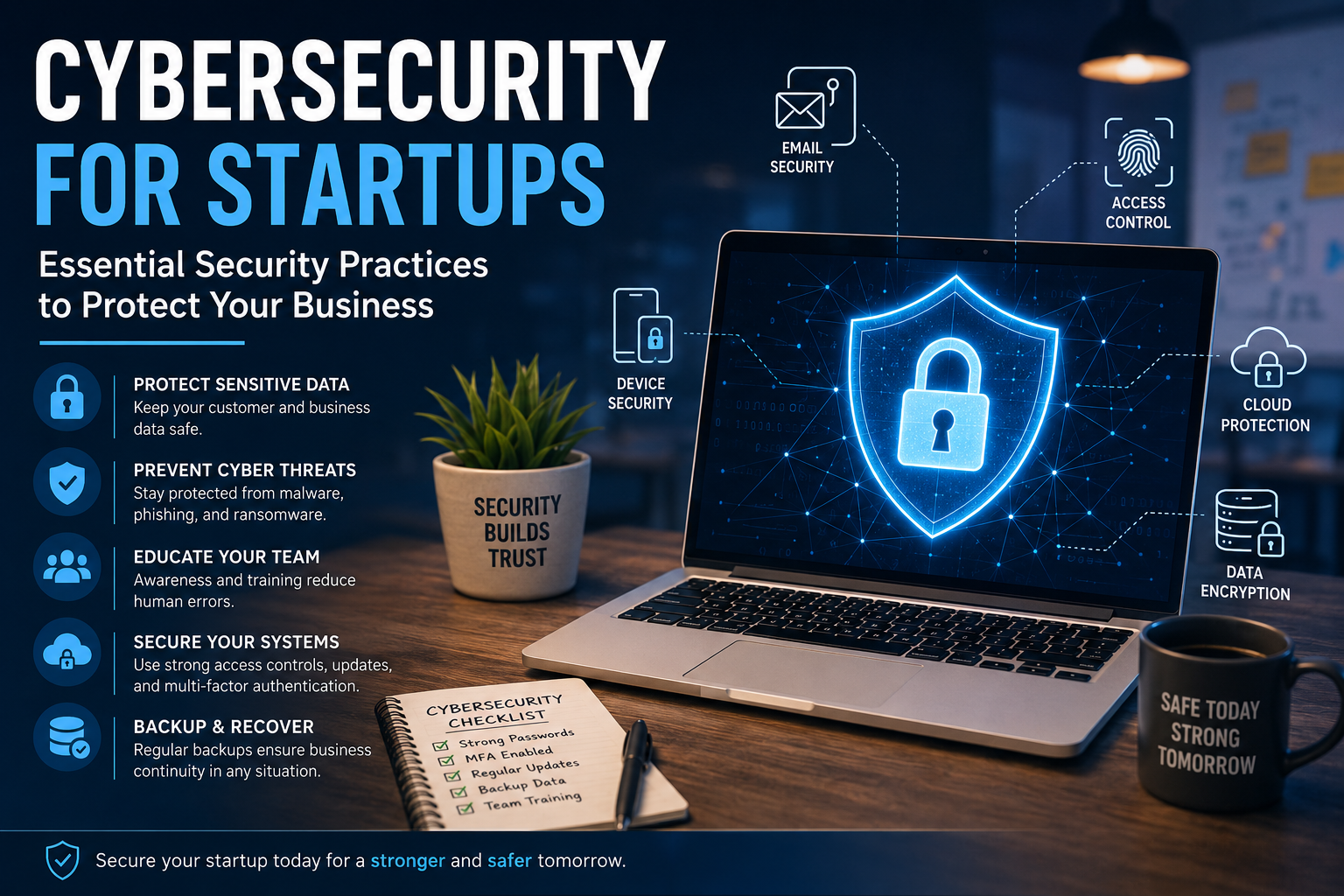
In today’s digital-first world, startups rely heavily on technology to manage operations, store customer information, and drive growth. However, this dependence on digital systems also makes startups attractive targets for cybercriminals. Many early-stage companies believe hackers only target large corporations, but the reality is quite different. Limited budgets, smaller IT teams, and weaker security frameworks often make startups easier targets.
Implementing effective Cybersecurity for Startups is no longer optional – it’s a business necessity. By adopting strong security measures from the beginning, startups can protect sensitive data, maintain customer trust, and avoid costly disruptions.
Why Cybersecurity Matters for Startups
A cyberattack can have devastating consequences for a growing business. Data breaches, ransomware attacks, and phishing scams can result in financial losses, reputational damage, and legal complications.
Startups often collect valuable customer information, intellectual property, financial records, and proprietary business data. Protecting these assets should be a top priority.
Strong cybersecurity helps businesses:
- Protect customer data
- Prevent financial fraud
- Maintain business continuity
- Meet regulatory requirements
- Build trust with clients and investors
Investors increasingly evaluate security measures before funding companies, making cybersecurity an important factor in business growth.
1. Use Strong Password Policies
Weak passwords remain one of the most common causes of security breaches. Startups should establish strict password policies for all employees and systems.
Best practices include:
- Using unique passwords for each account
- Requiring at least 12 characters
- Combining letters, numbers, and symbols
- Avoiding common words and predictable patterns
- Updating passwords regularly
Password management tools can help teams securely store and manage credentials.
2. Enable Multi-Factor Authentication (MFA)
Multi-factor authentication adds an additional security layer beyond passwords. Even if hackers obtain login credentials, MFA makes unauthorized access significantly more difficult.
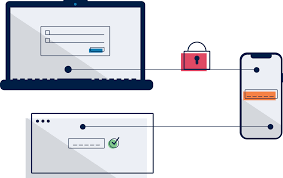
MFA can include:
- Authentication apps
- SMS verification codes
- Hardware security keys
- Biometric authentication
One of the most effective Startup Cybersecurity Best Practices is enabling MFA across all business systems.
3. Educate Employees About Cyber Threats
Human error remains a leading cause of security incidents. Employees may unknowingly click malicious links, download infected files, or share sensitive information.
Regular cybersecurity awareness training should cover:
- Phishing attacks
- Social engineering tactics
- Safe browsing habits
- Password management
- Email security
Creating a security-conscious workplace significantly reduces cyber risks.
4. Secure Cloud-Based Applications
Most startups use cloud platforms for communication, storage, project management, and customer relationship management. While cloud solutions offer flexibility, they must be configured securely.
Recommended actions:
- Restrict access permissions
- Enable MFA
- Encrypt sensitive data
- Regularly review user access
- Monitor suspicious activity
Proper cloud security is an essential part of Data Security for Startups.
5. Keep Software Updated
Outdated software often contains vulnerabilities that cybercriminals exploit. Regular updates help protect systems against newly discovered threats.
Businesses should:
- Enable automatic updates
- Patch operating systems promptly
- Update plugins and applications
- Remove unsupported software
Routine maintenance strengthens overall cybersecurity defenses.
6. Back Up Critical Business Data
Data loss can occur due to cyberattacks, hardware failures, or accidental deletion. Regular backups ensure important information can be recovered quickly.
Backup recommendations:
- Automate backup schedules
- Store backups in multiple locations
- Use encrypted storage
- Test recovery procedures regularly
Reliable backups are a fundamental aspect of Small Business Cybersecurity.
7. Implement Endpoint Security
Every connected device represents a potential entry point for attackers. Laptops, smartphones, tablets, and desktop computers should be protected with endpoint security solutions.
These solutions provide:
- Antivirus protection
- Malware detection
- Threat monitoring
- Device management
Protecting endpoints helps prevent unauthorized access and data breaches.
8. Limit Access to Sensitive Information
Not every employee requires access to all business data. Restricting permissions based on job responsibilities reduces security risks.
Startups should:
- Apply role-based access controls
- Review permissions regularly
- Remove access for departing employees
- Monitor privileged accounts
Access control is one of the most effective Startup Cybersecurity Best Practices available.
9. Develop an Incident Response Plan
Despite preventive measures, security incidents can still occur. Having a response plan ensures the business can react quickly and effectively.
An incident response plan should include:
- Threat identification procedures
- Communication protocols
- Containment strategies
- Recovery steps
- Post-incident reviews
Preparedness minimizes damage and accelerates recovery.
10. Conduct Regular Security Audits
Cybersecurity requires continuous improvement. Regular assessments help identify weaknesses before attackers exploit them.
Security audits can evaluate:
- Network vulnerabilities
- Software configurations
- Employee compliance
- Access controls
- Data protection measures
Ongoing monitoring helps businesses adapt to evolving threats.
The Future of Cybersecurity for Startups
As artificial intelligence, cloud computing, and remote work continue to evolve, cybersecurity challenges will become more sophisticated. Startups must adopt proactive security strategies rather than reacting to threats after they occur.
Investing early in Cybersecurity for Startups not only reduces risk but also strengthens business credibility. Customers, partners, and investors increasingly expect companies to demonstrate strong security standards.
Organizations that prioritize Small Business Cybersecurity and Data Security for Startups will be better positioned to scale confidently in an increasingly digital economy.
How My Design Minds Supports Startup Success
Building a successful startup requires more than a great idea-it requires secure systems, efficient processes, and scalable product development. At My Design Minds, we help startups transform innovative concepts into market-ready products through industrial design, CAD engineering, prototyping, tooling, and manufacturing support. While entrepreneurs focus on growth, our team helps streamline product development and improve operational efficiency. By combining innovation, technology, and strategic planning, My Design Minds empowers startups to build stronger businesses that are ready for investors, customers, and long-term success. Secure foundations and innovative product development work together to create sustainable growth in today’s competitive startup landscape.
Internal Linking Line
A secure business foundation starts with proper planning. Learn how to start a small business in India and discover the essential steps for building, protecting, and growing your startup successfully.