
Introduction
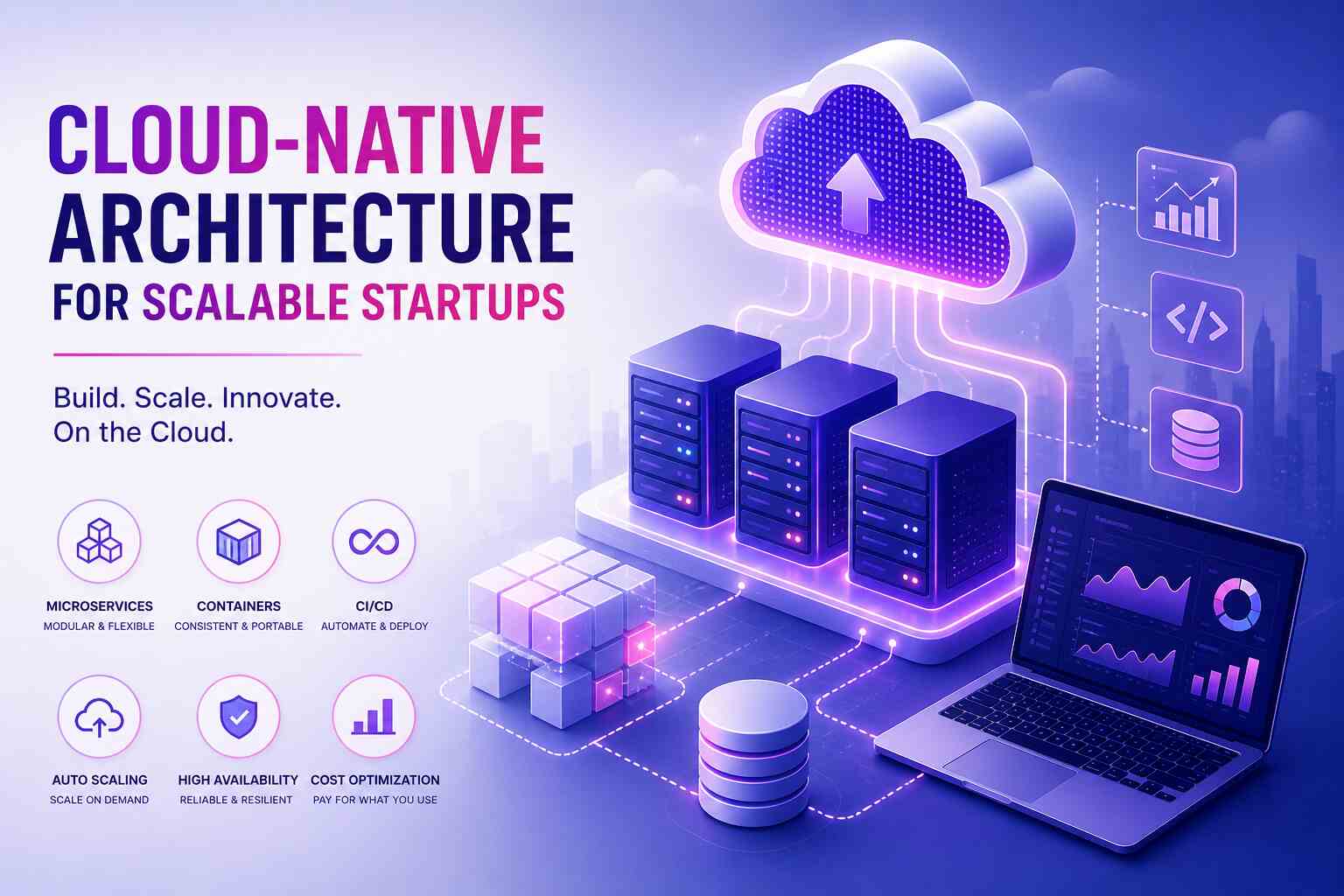
In today’s fast-paced digital environment, startups need systems that can grow quickly and handle increasing demand. This is where Cloud-Native Architecture for Scalable Startups plays a crucial role.
Cloud-native architecture allows startups to build and run applications using cloud computing principles, ensuring flexibility, scalability, and efficiency. By adopting cloud-native applications, startups can innovate faster and respond to market changes effectively.
What is Cloud-Native Architecture?
Cloud-native architecture is an approach to building and running applications that fully leverage cloud computing capabilities.
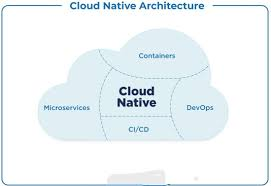
It involves technologies like microservices, containers, and continuous integration/continuous deployment (CI/CD). These elements help create scalable startup infrastructure that can adapt to changing business needs.
Understanding Cloud-Native Architecture for Scalable Startups is essential for modern businesses aiming for rapid growth.
Key Components of Cloud-Native Architecture
1. Microservices
Applications are divided into smaller, independent services that can be developed and deployed separately.
2. Containers
Containers package applications and their dependencies, ensuring consistency across different environments.
3. DevOps and CI/CD
Automation tools enable faster development, testing, and deployment of applications.
4. Cloud Platforms
Platforms like AWS, Azure, and Google Cloud provide the infrastructure needed to support cloud-native applications.
Benefits of Cloud-Native Architecture
1. Scalability
One of the biggest advantages of Cloud-Native Architecture for Scalable Startups is the ability to scale resources based on demand.
2. Flexibility
Startups can quickly adapt to market changes by updating specific components without affecting the entire system.
3. Cost Efficiency
Pay-as-you-go models reduce upfront costs and optimize resource usage.Pay-as-you-go models reduce upfront costs and optimize resource usage. This approach minimizes financial risk, improves budgeting flexibility, enhances scalability, and ensures startups pay only for what they actually use.
4. Faster Time to Market
Automation and continuous deployment enable startups to launch products quickly. Automation and continuous deployment enable startups to launch products quickly. This reduces delays, improves efficiency, accelerates innovation, ensures rapid updates, and enhances overall time-to-market performance.
5. Improved Reliability
Distributed systems ensure better fault tolerance and system stability.
These benefits highlight the importance of benefits of cloud-native architecture for startups.
How Cloud-Native Supports Startup Growth
Startups need to move fast and innovate continuously. Cloud-Native Architecture for Scalable Startups provides the foundation for this growth.
With scalable startup infrastructure, businesses can handle increasing user demand without compromising performance.
Cloud-native systems also support global expansion, making it easier for startups to reach international markets.
Challenges of Cloud-Native Architecture
While powerful, cloud-native architecture comes with challenges:
- Complexity in system design
- Need for skilled developers
- Security concerns
- Monitoring and management
However, these challenges can be addressed with proper planning and expertise.
Best Practices for Implementation
To successfully adopt Cloud-Native Architecture for Scalable Startups, consider the following:
- Start with a microservices approach
- Use containerization tools like Docker
- Implement CI/CD pipelines
- Monitor performance continuously
- Ensure strong security measures
These practices help maximize the benefits of cloud-native architecture.
Future of Cloud-Native Startups
The future of Cloud-Native Architecture for Scalable Startups is promising. As technology evolves, more startups will adopt cloud-native solutions to stay competitive.
Advancements in AI, automation, and serverless computing will further enhance cloud-native applications, making them more efficient and accessible.
Conclusion
Cloud-native architecture is transforming how startups build and scale their applications. By adopting Cloud-Native Architecture for Scalable Startups, businesses can achieve flexibility, efficiency, and rapid growth.
For startups aiming to succeed in a competitive market, investing in scalable startup infrastructure is no longer optional – it’s essential.
At My Design Minds, we help startups implement Cloud-Native Architecture for Scalable Startups with innovative design and development solutions. Our team specializes in building robust cloud-native applications and scalable startup infrastructure tailored to your business needs. By leveraging the latest technologies and best practices, we ensure your applications are efficient, secure, and ready for growth. Whether you’re starting from scratch or upgrading your systems, My Design Minds provides end-to-end support to help you unlock the full benefits of cloud-native architecture and achieve long-term success.
If you’re planning to launch your startup, explore our guide on How to start a small business in India step by step to build a strong foundation.