
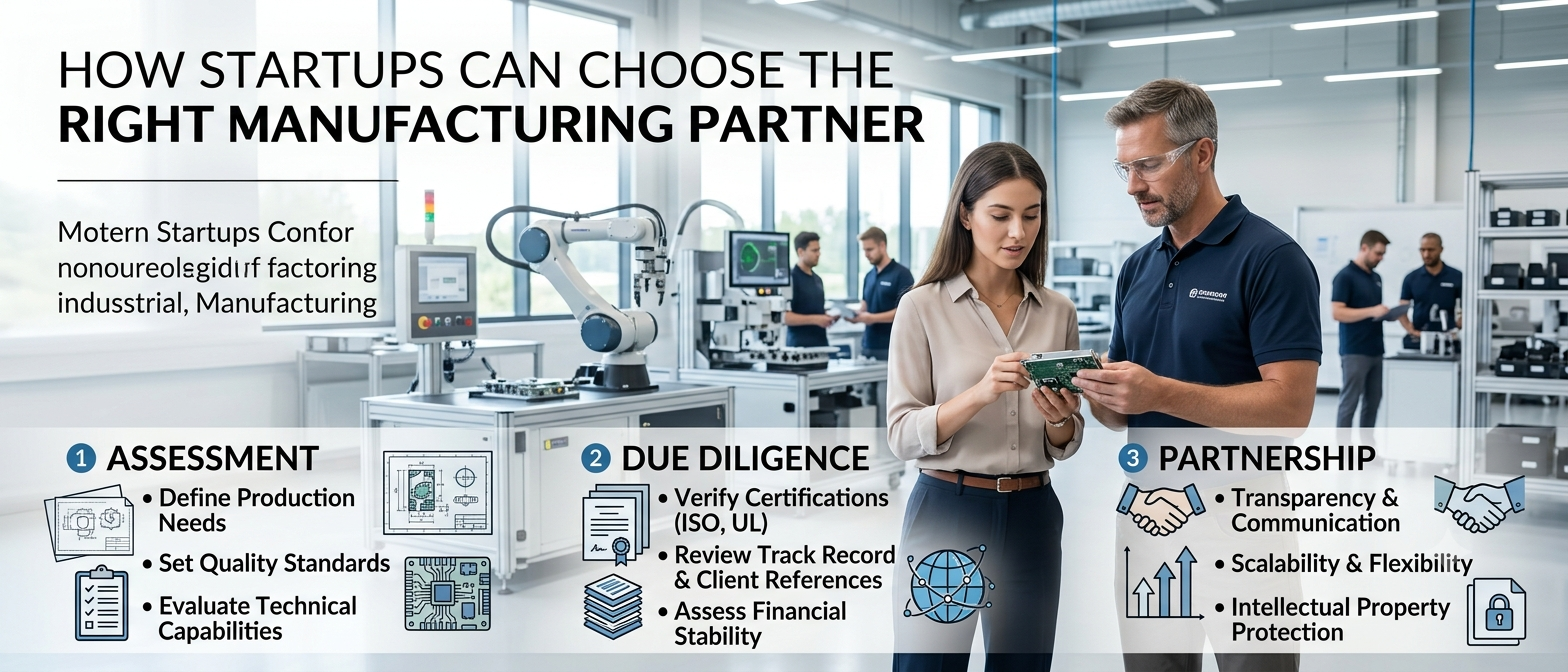
Right manufacturing partner selection is one of the most important decisions a startup can make when moving a product from concept to production. A reliable manufacturing partner can help maintain product quality, control costs, meet production timelines, and scale manufacturing as the business grows. On the other hand, choosing the wrong supplier can result in quality issues, production delays, unexpected expenses, and difficulties in scaling.
For startups working with limited budgets and resources, selecting a manufacturer requires careful evaluation. Factors such as technical expertise, production capacity, quality standards, minimum order quantities, communication, pricing, and scalability should all be considered before making a final decision.
1. How to Identify the Right Manufacturing Partner
Before approaching manufacturers, clearly define your product requirements. Consider the materials, dimensions, design specifications, expected production volume, tolerances, finishing requirements, packaging, and quality standards.
A clear understanding of these requirements helps you identify a manufacturing partner for startups that has the appropriate technical expertise and production capabilities.
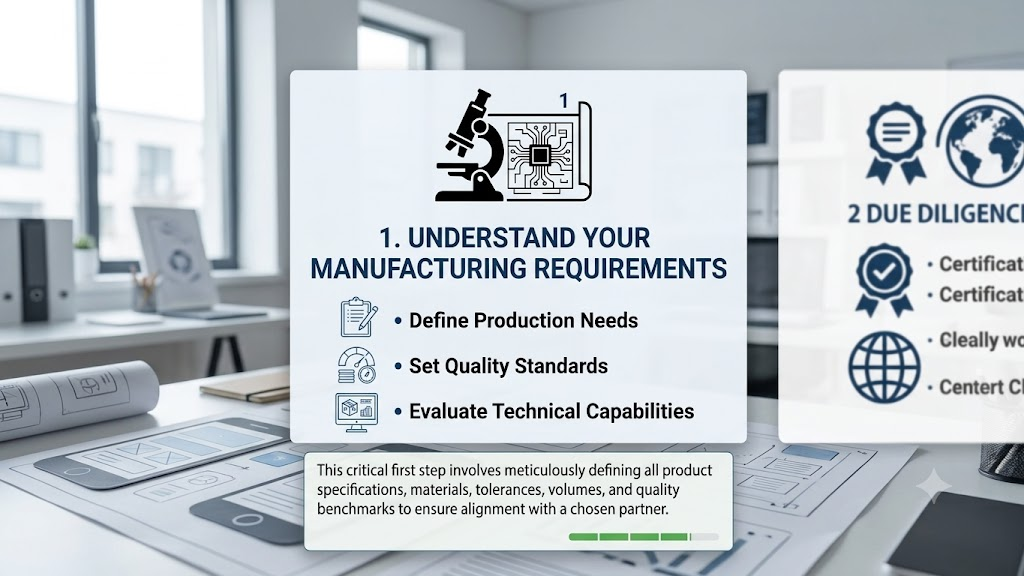
You should also determine whether you need prototyping, small-batch production, tooling, assembly, testing, or complete manufacturing support. Defining these requirements early makes communication easier and reduces the possibility of misunderstandings.
2. Evaluate Technical Expertise
Not every manufacturer is suitable for every type of product. Different products require different manufacturing technologies, materials, equipment, and engineering knowledge.
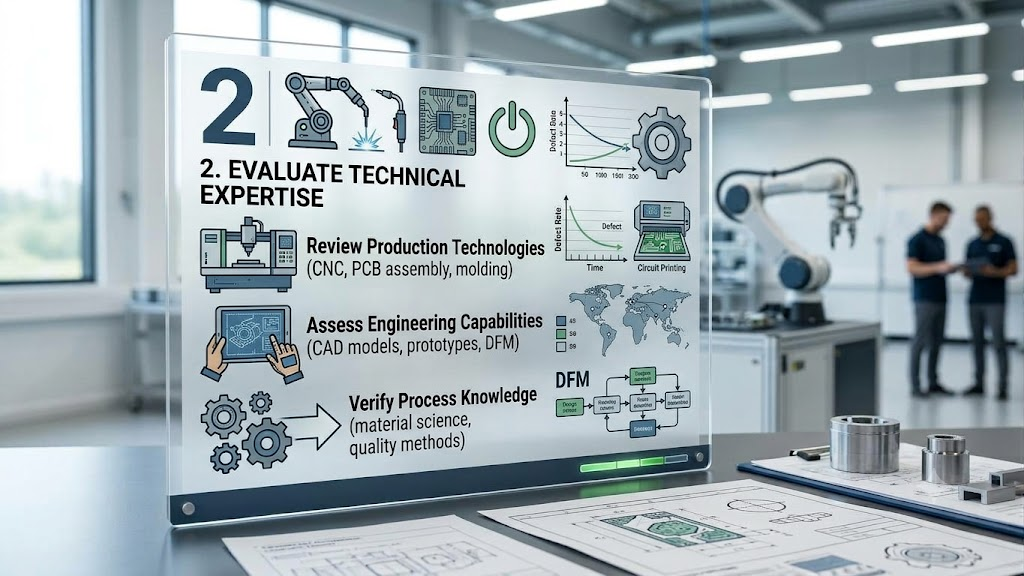
Review the manufacturer’s experience with your product category and manufacturing process. Check whether the company can understand CAD models, engineering drawings, material specifications, tolerances, and other technical requirements.
For startups developing complex products, a manufacturing partner with engineering and design capabilities can provide additional value by identifying potential production challenges before manufacturing begins.
3. Check Quality Standards
Product quality directly affects customer satisfaction and brand reputation. Therefore, quality should be one of the most important factors when evaluating manufacturers.

Ask potential suppliers about their quality-control procedures, inspection methods, testing facilities, certifications, and documentation. If possible, request samples or prototypes before placing a large production order.
A good startup manufacturing services provider should have consistent quality processes rather than depending only on final inspection.
You should also understand how the manufacturer handles defective products, rework, quality complaints, and corrective actions.
4. Compare Costs Beyond the Quotation
Cost is naturally important for startups, but choosing the lowest quotation may not always be the best decision.
Compare the complete cost structure, including raw materials, tooling, setup charges, machining, finishing, assembly, packaging, transportation, testing, and potential rework.
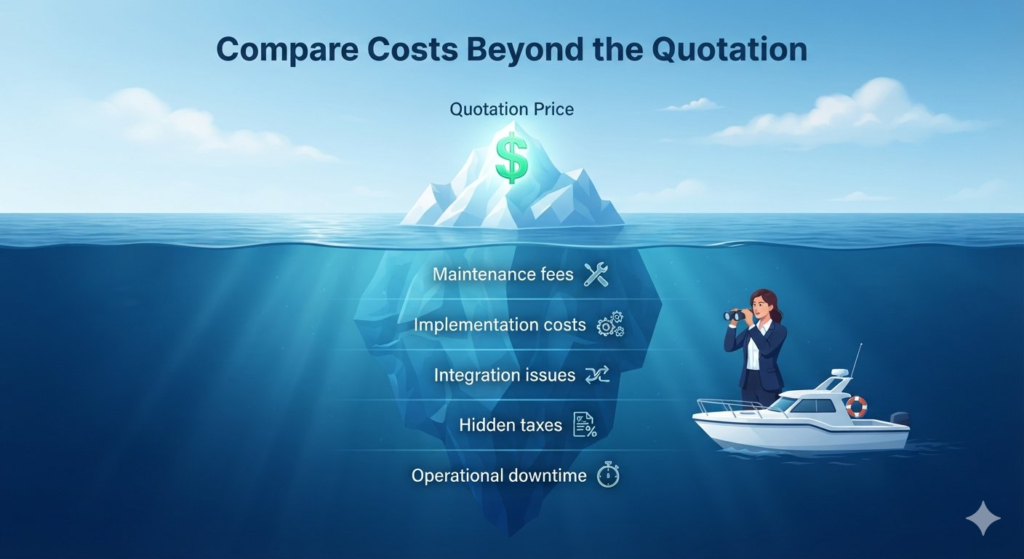
A manufacturer offering a slightly higher initial price may provide better quality, shorter lead times, and fewer production problems. These factors can ultimately reduce your overall product-development cost.
When choosing a manufacturing company, startups should consider total value instead of focusing only on the initial quotation.
5. Consider Minimum Order Quantities
Startups may not immediately require thousands of units. They may need a prototype, pilot batch, or limited production run to test the market.
Ask manufacturers about minimum order quantities and whether they support small-batch production. Flexible production options can help startups validate their products without committing excessive capital.
As demand grows, the manufacturer should also be capable of increasing production volumes without compromising quality.
6. Assess Communication and Responsiveness
Effective communication is essential throughout product development and manufacturing. Delays in answering technical questions or confirming specifications can affect the entire production schedule.
Evaluate how quickly the manufacturer responds to inquiries and whether they provide clear information about timelines, costs, materials, and production stages.
A reliable manufacturing partner for startups should communicate proactively when there are technical issues, material shortages, production delays, or changes in requirements.
7. Review Production Capacity and Scalability
Your manufacturing requirements may change as your startup grows. A supplier that can produce 100 units may not necessarily be able to support 10,000 units.
Ask about current production capacity, machinery, workforce, supplier network, lead times, and expansion capabilities.
Scalability is particularly important because changing manufacturers during rapid growth can create additional development and quality-control challenges.
8. Look at Prototyping and Product Development Support
Manufacturing should not always begin with mass production. Prototyping allows startups to test functionality, design, materials, usability, and manufacturability before making a large investment.
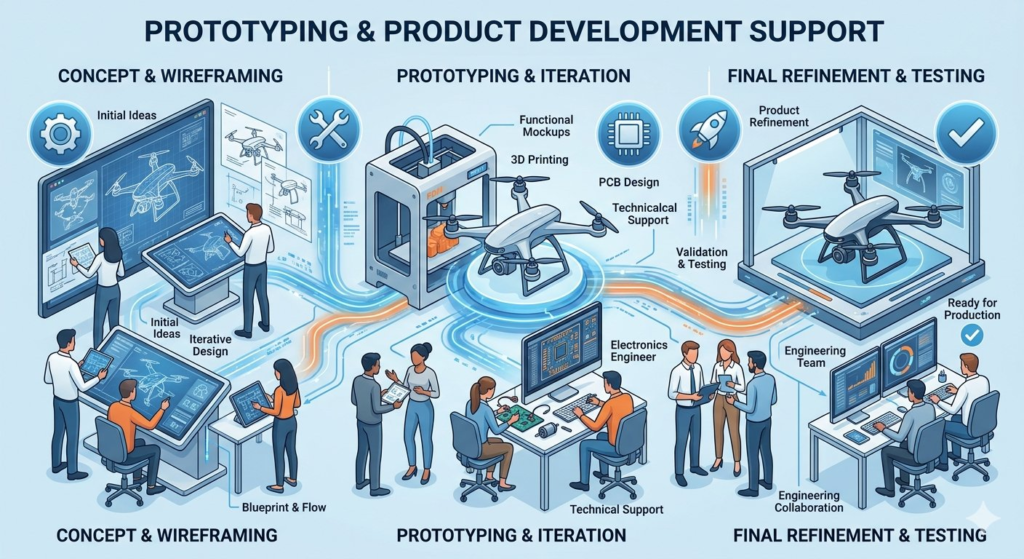
A capable startup manufacturing services provider may also support product refinement, 3D CAD modeling, prototype development, design validation, and manufacturing preparation.
This integrated approach can reduce production risks and help transform an initial concept into a practical product.
9. Verify Reputation and Previous Work
Before making a decision, research the manufacturer’s reputation. Look for previous projects, customer reviews, industry experience, case studies, and references.
If possible, communicate with existing or previous clients to understand their experience regarding quality, delivery, communication, and after-sales support.
You can also request a factory visit or virtual facility tour to understand the manufacturer’s infrastructure and working processes.
10. Choose a Partner for Long-Term Growth
The best manufacturing relationship should be more than a one-time transaction. Startups benefit from working with partners who understand their product, business goals, quality expectations, and future requirements.
When choosing a manufacturing company, consider whether the supplier can become a long-term extension of your product-development team. Strong collaboration can improve product quality, production efficiency, and speed to market.
How My Design Minds Supports Product Development and Manufacturing
My Design Minds provides integrated design and engineering support for startups, SMEs, and established businesses. The team can support product development through product design, reverse engineering, 3D visualization, prototype development, and manufacturing support.
From an initial concept to production preparation, My Design Minds helps businesses focus on accuracy, functionality, manufacturability, and practical engineering requirements. Its services can include CAD design, product engineering, 3D modeling, prototyping, design refinement, and manufacturing-related support.
If you are evaluating a right manufacturing partner, working with a team that understands both product design and manufacturing requirements can help reduce development risks and support a smoother transition from concept to production.
For entrepreneurs exploring how to start a small business in India, choosing the right manufacturing partner can help control initial investment, validate products through small batches, maintain quality, and build a scalable foundation for business growth.

Leave a Reply