
Introduction
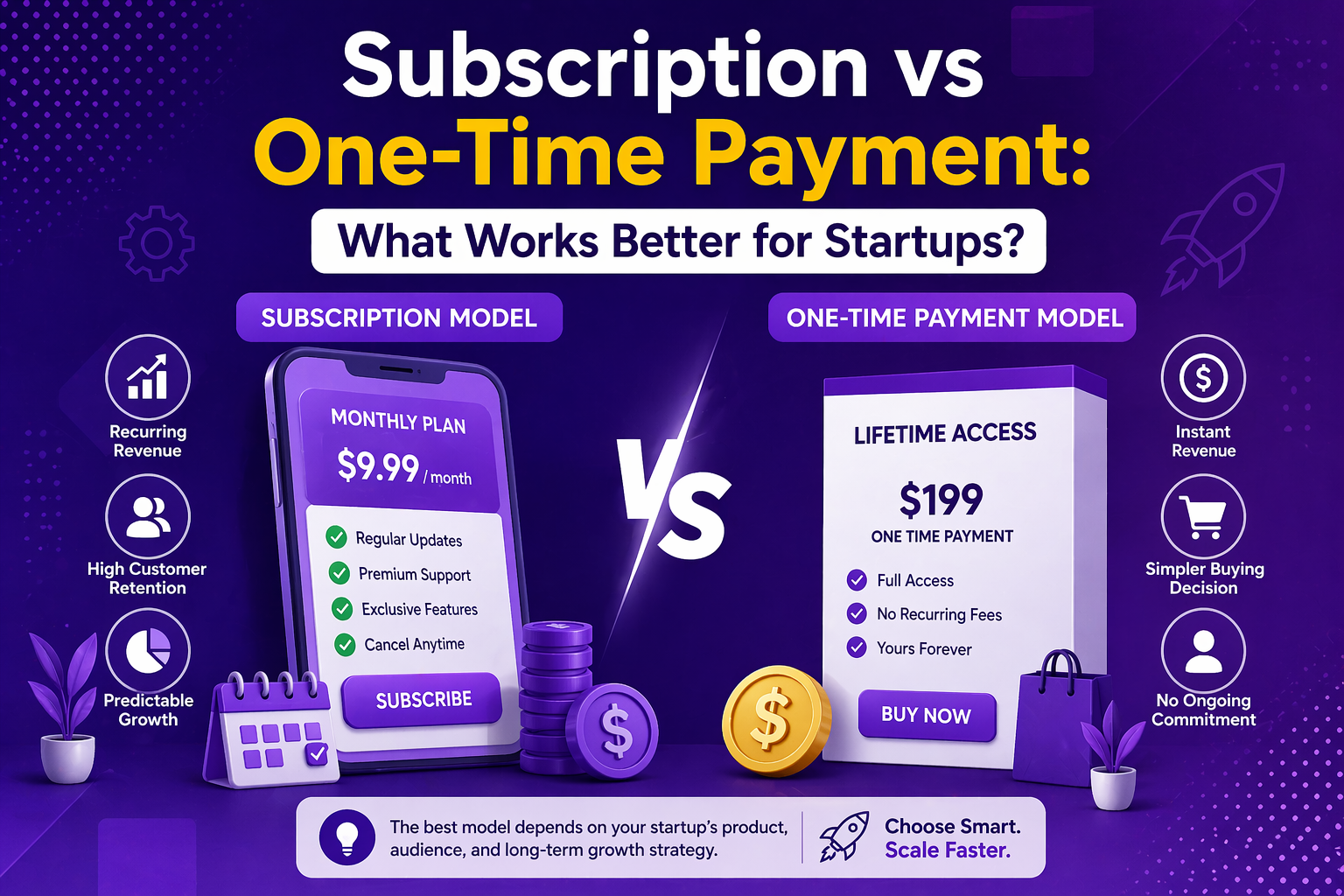
For any startup, choosing the right pricing strategy can make or break early growth. The debate around Subscription vs One-Time Payment is especially important for startups aiming to scale quickly while maintaining steady cash flow.
Unlike established businesses, startups operate with limited resources and high uncertainty. That’s why selecting the right model is not just about pricing—it’s about sustainability, customer acquisition, and long-term growth. Understanding both models helps founders align their strategy with their business goals.
Why Pricing Strategy Matters for Startups
Startups need consistent revenue to survive and grow. A well-defined pricing model directly impacts cash flow, investor confidence, and scalability.
When analyzing Subscription vs One Time Payment, startups must consider their target audience, product type, and market demand. The right choice can accelerate growth, while the wrong one can slow down progress.
Subscription Model for Startups
The subscription business model allows customers to pay on a recurring basis-monthly or yearly-to access a product or service.
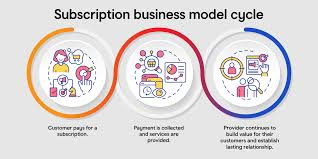
For startups, this model offers predictable income, which is crucial during the early stages. It also helps in building long-term relationships with customers.
In the Subscription vs One-Time Payment comparison, subscription-based startups benefit from steady revenue streams and better financial planning. This is why many SaaS startups adopt this model from day one.
Advantages of Subscription Model for Startups
- Predictable Revenue
A recurring revenue business ensures consistent cash flow, helping startups manage expenses and plan growth. - Higher Customer Lifetime Value
Customers continue paying over time, increasing overall revenue. - Scalability
As more users subscribe, revenue grows without a proportional increase in costs. - Customer Retention Focus
Startups can improve their offerings continuously to retain customers.
These benefits make the subscription model highly attractive in the Subscription vs One-Time Payment debate.
One-Time Payment Model for Startups
The one-time payment model involves charging customers a single upfront fee for a product or service.
This model is often used by startups selling physical products, digital downloads, or one-time services.This approach provides immediate revenue, which can be useful for bootstrapped startups needing quick cash flow.
Advantages of One-Time Payment Model for Startups
- Instant Revenue Generation
Startups receive full payment upfront, which helps in covering initial costs. - Simple Pricing Structure
Customers clearly understand what they are paying for. - No Long-Term Commitment
This reduces friction during the purchase decision. - Faster Sales Cycle
Easier to convert customers compared to subscription commitments.
For early-stage startups, the one time payment can be an effective way to enter the market quickly.
Key Differences for Startup Growth
Cash Flow Stability
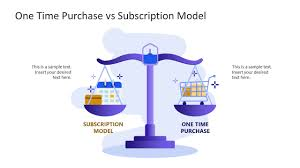
In comparison, subscription models provide stable and predictable income, while one-time payments result in irregular revenue.
Customer Acquisition vs Retention
The one-time payment model focuses on acquiring new customers continuously. In contrast, subscription models emphasize retention, which is more cost-effective in the long run.
Scalability
A recurring revenue business is easier to scale because revenue grows consistently with user acquisition.
Which Model Should Startups Choose?
There is no one-size-fits-all answer in the Subscription vs One-Time Payment debate.
- Choose a subscription business model if you offer ongoing value, such as SaaS, digital tools, or content platforms.
- Choose a one-time payment model if your product delivers value instantly, such as physical goods or one-time services.
Startups should test both models and analyze customer behavior before making a long-term decision.
Hybrid Model: A Smart Startup Strategy
Many modern startups are adopting a hybrid approach. They combine both models to maximize revenue.
For example, offering a one-time product purchase with optional subscription upgrades creates flexibility. This strategy blends the benefits of a recurring revenue business with the simplicity of one-time payments.
In the evolving difference between Subscription and One-Time Payment landscape, hybrid models are becoming increasingly popular among startups.
Conclusion
The choice between Subscription vs One-Time Payment depends on your startup’s vision, product, and market demand. Subscription models provide stability and scalability, while one-time payments offer quick revenue and simplicity.
Startups should focus on delivering value, understanding customer preferences, and adapting their pricing strategy accordingly. The right decision can significantly impact growth, profitability, and long-term success.
If you’re planning to launch your startup, explore our detailed guide on How to start a small business in India step by step to build a strong foundation.
At My Design Minds, we help startups choose the right strategy between Subscription vs One-Time Payment based on their business model and growth goals. Our team provides expert design, product development, and digital solutions tailored for scalable success. Whether you want to build a subscription business model or launch a product using a one-time payment model, we ensure your startup is aligned with the latest recurring revenue business trends. With innovative thinking and strategic execution, My Design Minds empowers startups to grow faster, attract customers, and achieve long-term success in a competitive market.